

Mexico City: History, Culture & Things to See and Do
Mexico City is a capital built in layers. The modern metropolis stands on the site of Mexico-Tenochtitlan, the island city that served as the political and ceremonial center of the Mexica Empire.
Its streets bring together archaeological remains, colonial churches, 19th-century boulevards, modern architecture, neighborhood markets and one of the world’s great collections of museums.
Whether you spend a weekend or several days here, Mexico City offers an extraordinary setting in which to hear Spanish, explore Mexican history and experience contemporary urban culture.
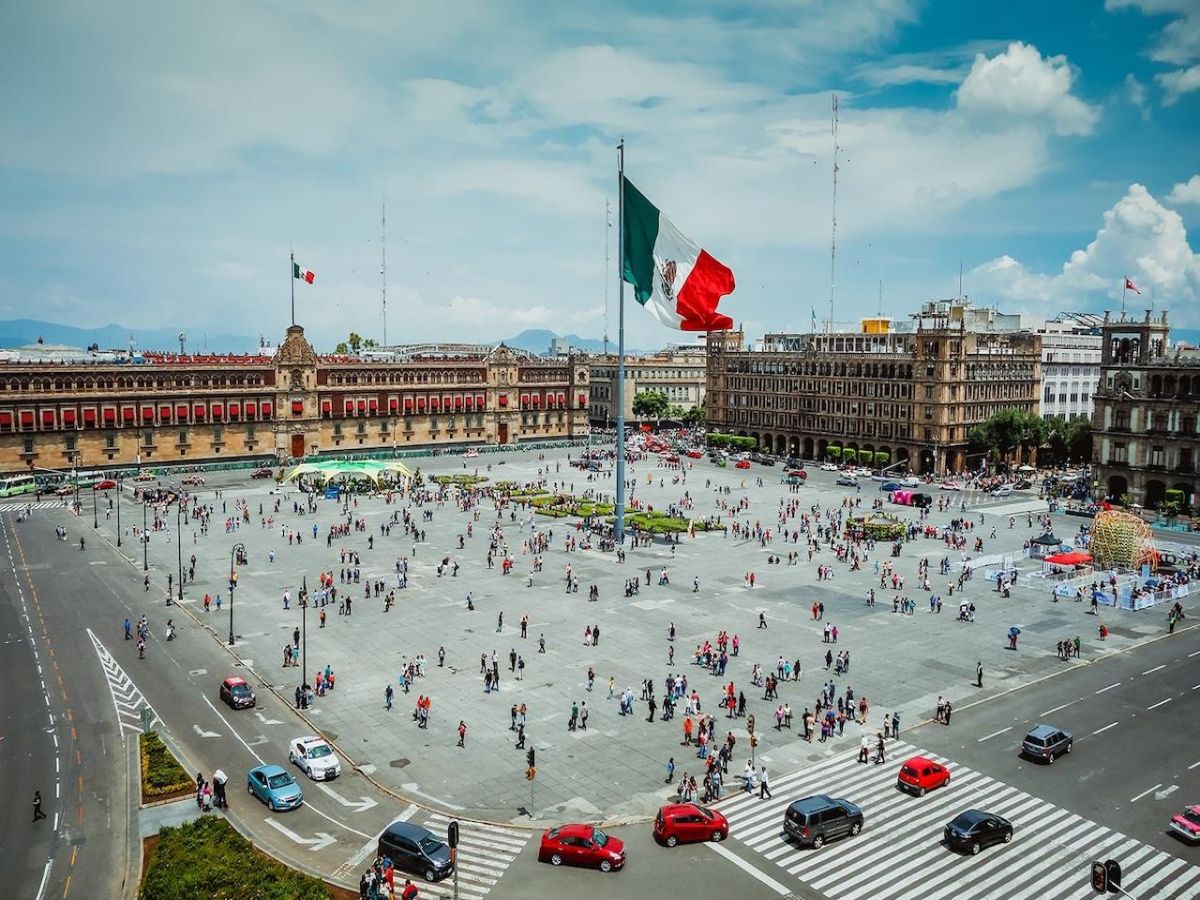
The Zócalo and Metropolitan Cathedral in Mexico City’s historic center.
A Short History of Mexico City
Mexico-Tenochtitlan
The Mexica founded Tenochtitlan on an island in Lake Texcoco in 1325. Causeways, canals, temples and chinampas supported a sophisticated urban society that became the center of a powerful empire. Remains of the Templo Mayor survive beside today’s cathedral and Zócalo.
The capital of New Spain
After the fall of Tenochtitlan in 1521, the Spanish rebuilt the city as the capital of New Spain. Churches, palaces and civic buildings rose over and beside the Indigenous city. The resulting urban landscape preserves visible layers of both civilizations.
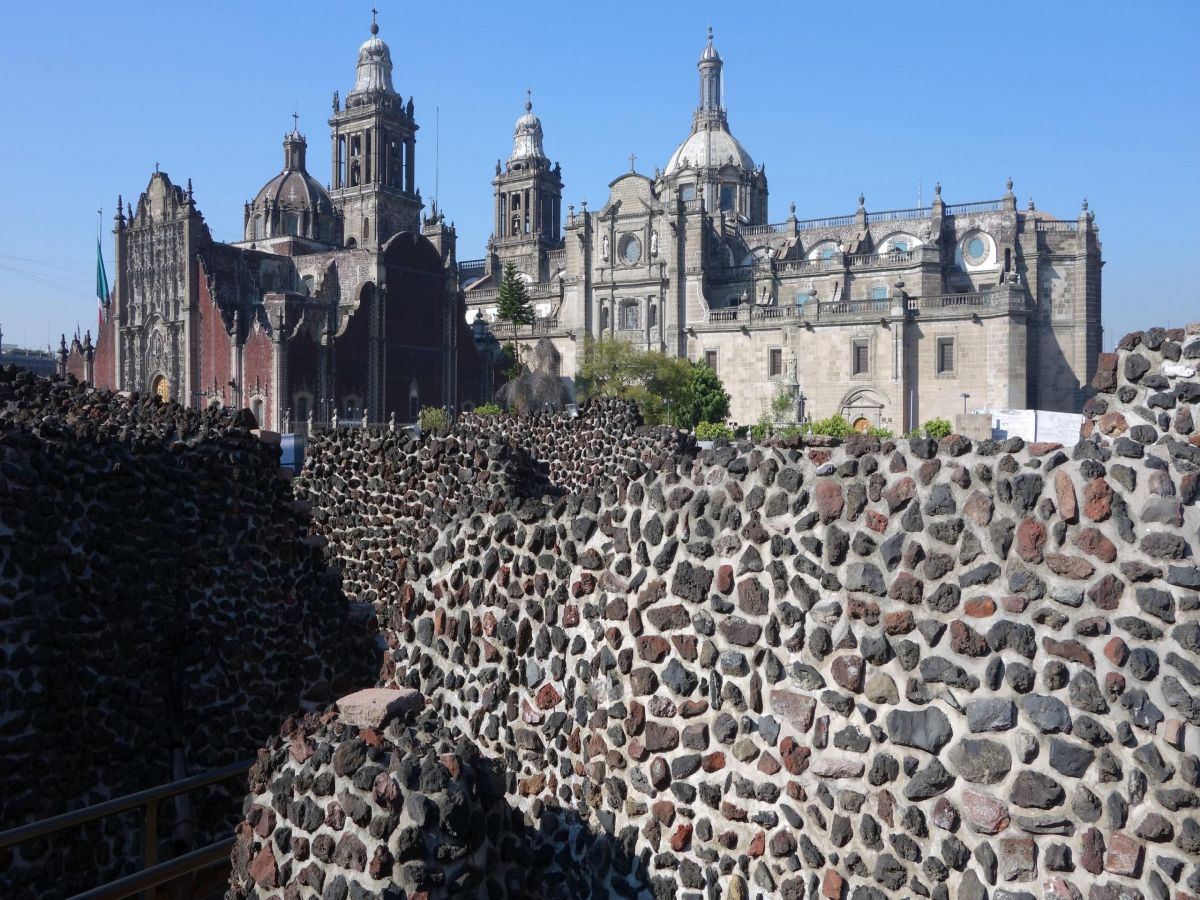
The Templo Mayor preserves part of the ceremonial center of Mexico-Tenochtitlan.
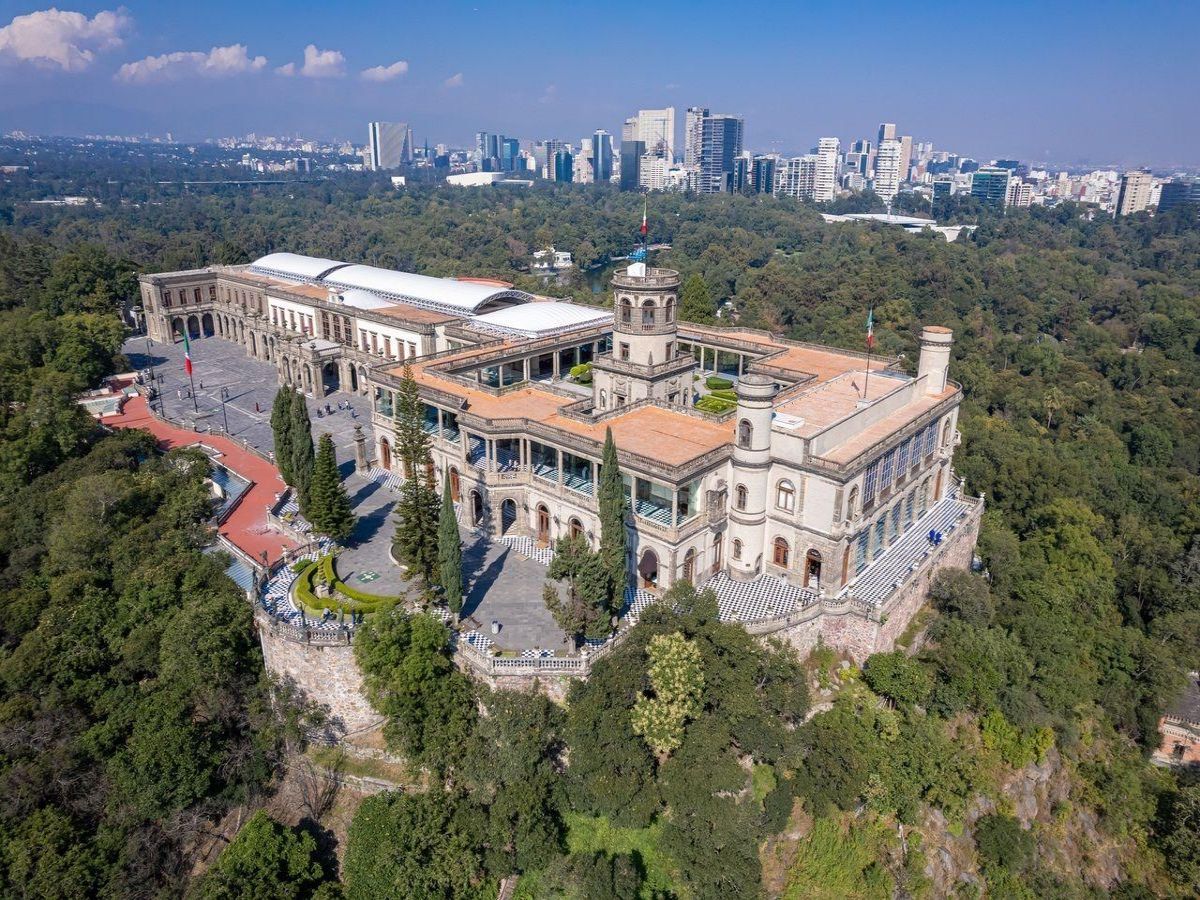
Chapultepec combines museums, gardens, monuments and sweeping city views.
Independence and a changing capital
After Mexican independence, the capital expanded beyond its colonial core. Paseo de la Reforma, new neighborhoods, railways and public monuments transformed the city during the 19th century, while Chapultepec Castle served at different times as a military academy, imperial residence and presidential home.
A modern cultural capital
The 20th and 21st centuries brought rapid growth, landmark architecture and an increasingly diverse cultural life. UNESCO inscribed the Historic Centre of Mexico City and Xochimilco on the World Heritage List in 1987, recognizing both the monumental center and the surviving canal landscape to the south.
Things to See and Do in Mexico City
1. The Zócalo, Cathedral & National Palace
Begin in the Plaza de la Constitución, the monumental center of the capital. The Metropolitan Cathedral, National Palace and surrounding streets introduce the scale and historical layers of Mexico City.
2. Templo Mayor & its museum
The archaeological site preserves remains of the most important religious complex in Mexico-Tenochtitlan. The museum displays sculptures and objects recovered during excavations in the heart of the historic center.
3. Palacio de Bellas Artes & Alameda Central
This landmark cultural palace is known for its architecture, murals and performing arts. Combine a visit with a walk through Alameda Central and the surrounding historic streets.
4. National Museum of Anthropology
One of Mexico’s essential museums, it presents the archaeology and living cultures of the country through major collections and carefully designed galleries. Allow at least half a day.
5. Chapultepec Park & Castle
The vast park contains museums, lakes, monuments and wooded paths. Chapultepec Castle offers historical rooms and panoramic views from its hilltop position.
6. Coyoacán & San Ángel
These southern neighborhoods are known for plazas, historic houses, markets, museums and tree-lined streets. Coyoacán is also home to the Frida Kahlo Museum, for which advance booking is usually advisable.
7. Xochimilco
The canals and chinampas preserve an important part of the Valley of Mexico’s ancient lake landscape. Visit thoughtfully and choose routes that support local communities and environmental conservation.
8. Day Trips from Mexico City
Teotihuacan: explore the monumental ancient city known for the Pyramids of the Sun and Moon.
Taxco: explore a hillside city known for silverwork, whitewashed buildings and dramatic mountain views.
Cuernavaca: combine gardens, museums and historic architecture with a visit to the home of Anders Languages’ Mexico immersion program.
Tepoztlán: enjoy mountain scenery, a lively market and one of central Mexico’s best-known weekend destinations.
Festivals and events
Festival del Centro Histórico: performances, exhibitions and cultural activities bring historic venues across the center to life.
Independence celebrations (September 15–16): the Zócalo becomes the national focus of the Grito de Independencia and the following day’s civic ceremonies.
Semana Santa: religious services and cultural activities take place across the city, while nearby neighborhoods and towns maintain their own traditions.
Día de Muertos (November 1–2): monumental displays, neighborhood altars, marigolds and special events appear throughout the capital.
Major cultural events: museum programs, art fairs, concerts and neighborhood festivals fill the calendar throughout the year.
Culture: What Makes Mexico City Feel the Way It Does
A city of neighborhoods
Mexico City changes character from one area to the next. Centro Histórico, Roma, Condesa, Coyoacán, San Ángel, Juárez and many other neighborhoods each offer their own architecture, markets and street life.
Museums and public culture
Art, archaeology, design, history and popular culture are visible in museums, public squares, university spaces and temporary exhibitions across the capital.
Markets and street food
Tacos, tamales, tortas, quesadillas and regional dishes from across Mexico make the capital an exceptional food city. Public markets remain important centers of neighborhood life.
Ancient and contemporary
Few cities place archaeological remains, colonial architecture, muralism, modern design and contemporary art so close together. That contrast is central to Mexico City’s identity.
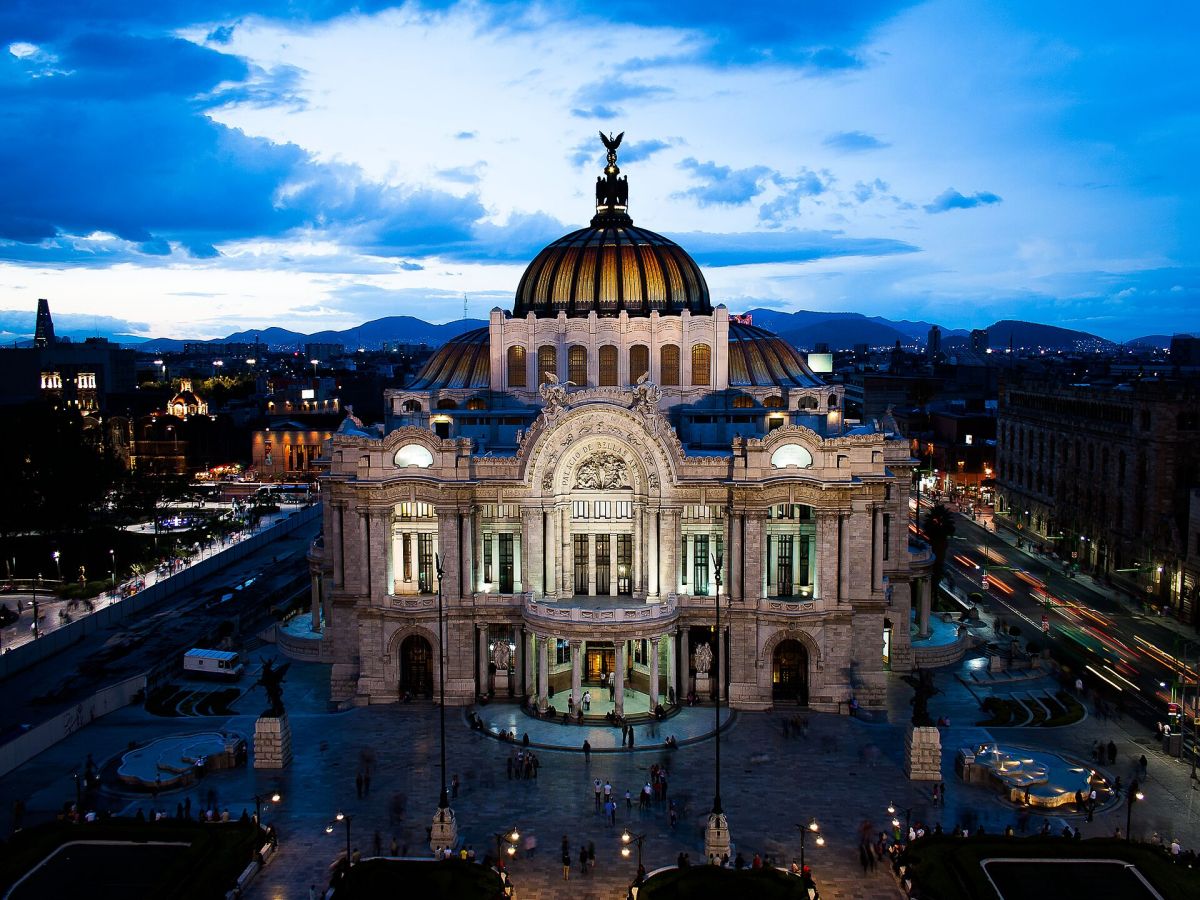
Palacio de Bellas Artes is one of Mexico City’s best-known cultural landmarks.
Explore More
Continue planning your Spanish immersion and discover more about Mexico City and nearby destinations.
Practical Information & Safety
Official Mexico City Guide
Historic Center & Xochimilco
Spanish Programs in Mexico

Ready to include Mexico City in your Spanish immersion in Mexico?
I’m Pedro, and I’ll personally take care of your inquiry.
No two learners are alike, so every Spanish immersion experience we create is designed specifically for you.
Complete the form, and I’ll get right to work. You can also reach me directly by email or WhatsApp.
Frequently asked questions
Why are Mexico City’s historic center and Xochimilco UNESCO World Heritage sites?
UNESCO recognizes the historic center for its layers of Mexica, colonial and modern heritage, and Xochimilco for preserving traces of the ancient lake landscape through its canals and chinampas.
Is Mexico City worth visiting during a Spanish immersion in Mexico?
Yes. Mexico City offers major museums, archaeological sites, historic neighborhoods, markets and an extraordinary food scene, making it an excellent addition before, during or after an immersion program.
How far is Mexico City from Cuernavaca?
Central Cuernavaca is roughly 85 km from Mexico City by road. Travel time varies considerably with traffic and the exact departure point, and bus and private-transfer options are available.