

Puebla: History, Culture & Things to See and Do
Puebla is one of Mexico’s great historic cities: a place of tiled façades, monumental churches, lively markets and a culinary tradition that has shaped the country’s identity.
Founded in 1531 between Mexico City and the port of Veracruz, Puebla developed as an important commercial, religious and cultural center. Its historic heart preserves a distinctive blend of European planning and local craftsmanship.
Today, Puebla combines a UNESCO-listed center with outstanding museums, traditional Talavera pottery, celebrated regional food and easy access to Cholula and the volcanoes.
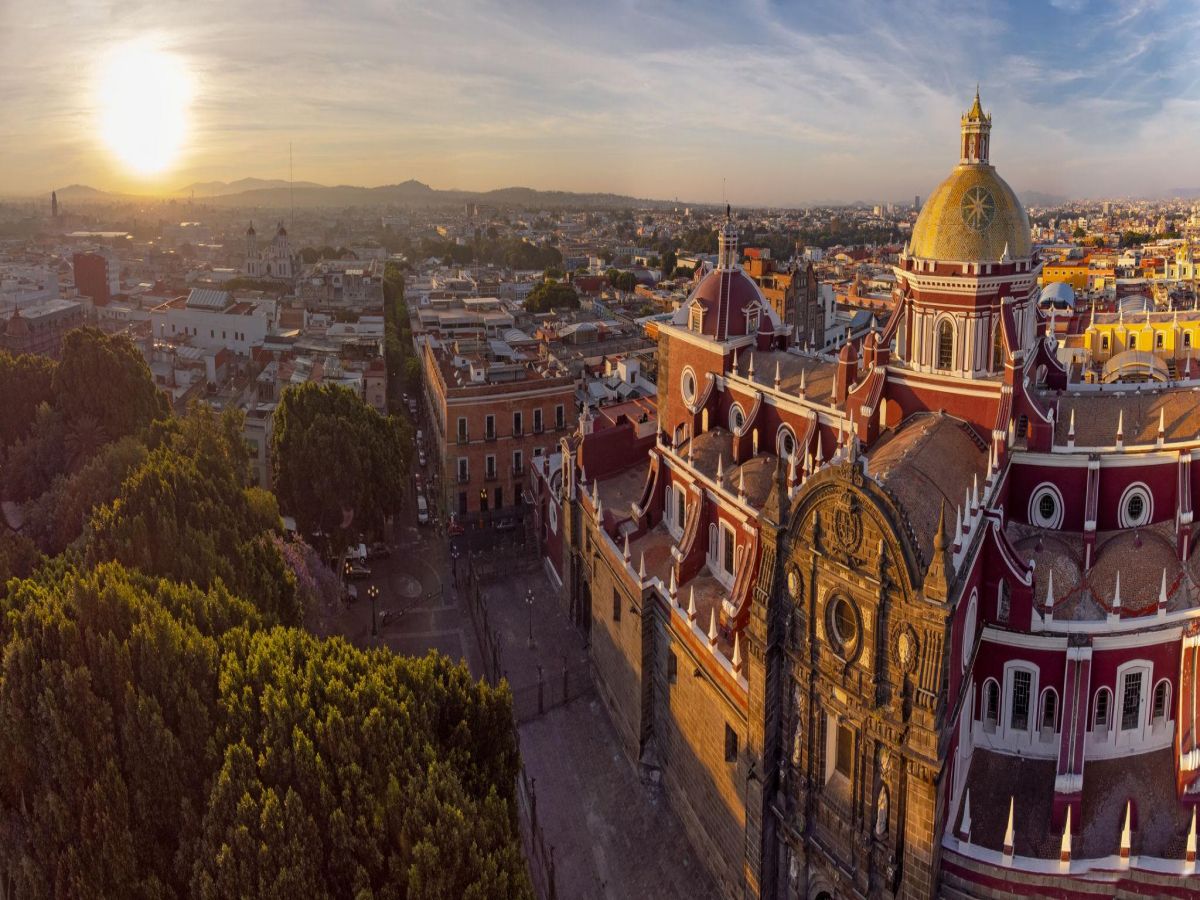
Puebla Cathedral in the city’s UNESCO-listed historic center.
A Short History of Puebla
Before Puebla: a region of ancient cities
The Puebla–Tlaxcala Valley had long been home to important Indigenous communities before the Spanish founded Puebla. Nearby Cholula was already an ancient religious and commercial center, while Tlaxcalan, Nahua and other peoples shaped the region’s language, food and traditions.
The colonial city (1531–1821)
Puebla was founded in 1531 on the route between Mexico City and Veracruz. Its planned street grid, cathedral, convents and richly decorated houses reflected the city’s growing prosperity. Local artisans adapted European forms using regional materials, creating the tiled façades and architectural details that still distinguish Puebla today.
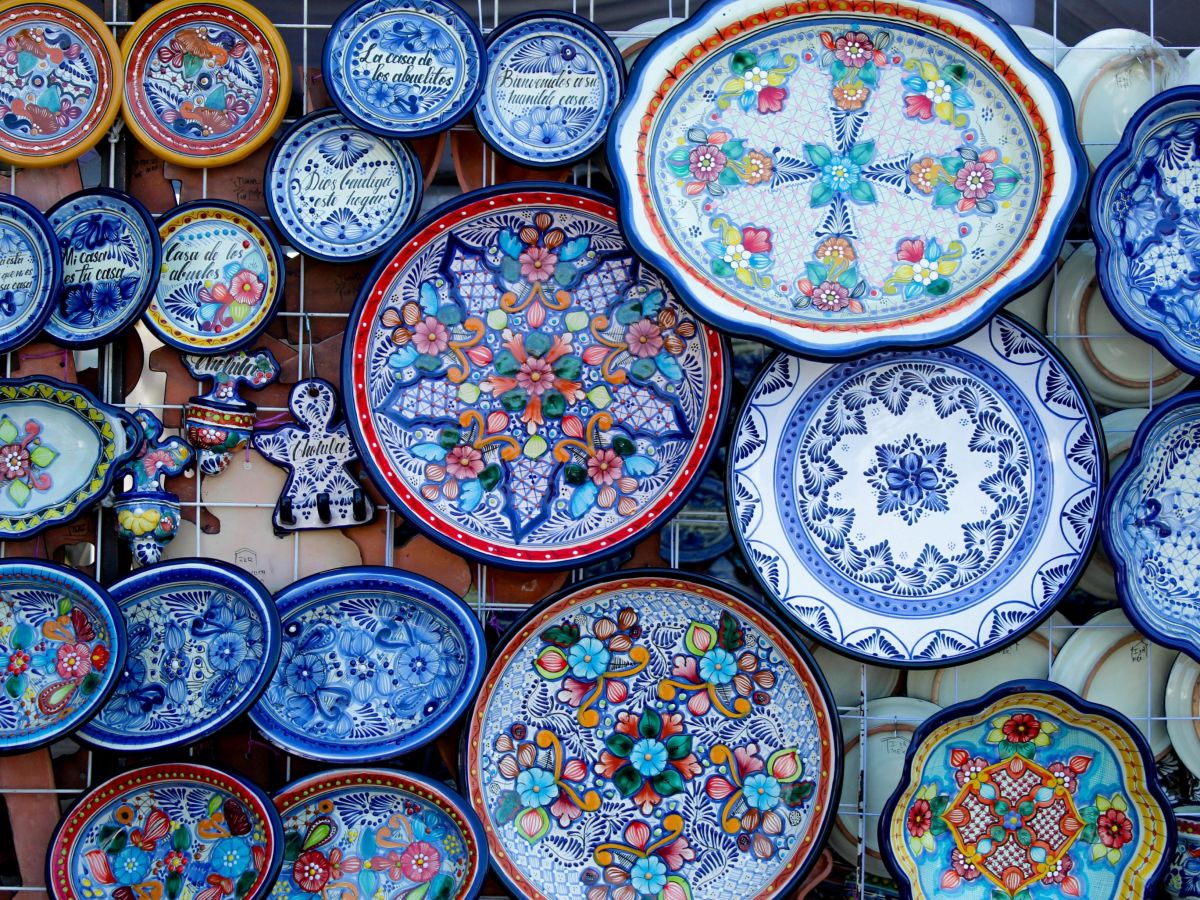
Talavera tiles are one of the most recognizable features of Puebla’s architecture.
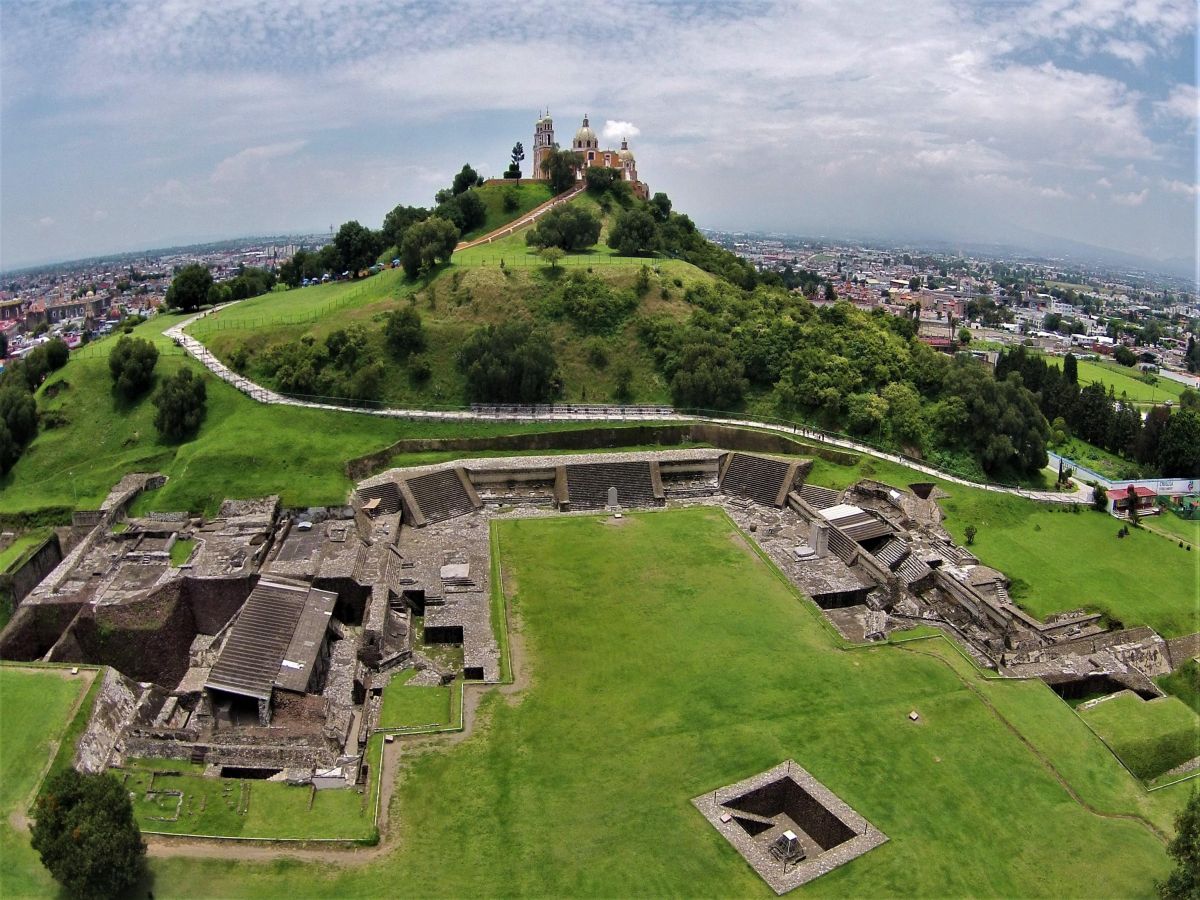
Cholula and its archaeological site make an easy excursion from Puebla.
Independence and the Battle of Puebla
During the 19th century, Puebla played an important role in Mexico’s political and military history. On May 5, 1862, Mexican forces defeated the French army at the forts of Loreto and Guadalupe. The victory is commemorated every year as Cinco de Mayo.
A modern city with a protected historic heart
Puebla grew into a major industrial and university city during the 20th century while retaining an extensive historic center. UNESCO added the Historic Centre of Puebla to the World Heritage List in 1987, recognizing its urban plan, religious buildings and distinctive fusion of European and American architectural traditions.
Things to See and Do in Puebla
1. Puebla Cathedral & the Zócalo
Begin in the city’s main square, where the cathedral’s towers rise above gardens, arcades and cafés. The surrounding streets make an excellent introduction to Puebla’s historic center and its everyday rhythm.
2. Capilla del Rosario & Santo Domingo
The Rosary Chapel inside the Church of Santo Domingo is one of Puebla’s best-known examples of Mexican Baroque art. Its richly decorated interior contrasts beautifully with the quieter convent complex around it.
3. Museo Amparo
This outstanding museum presents pre-Hispanic, colonial and modern Mexican art in carefully restored historic buildings. Its rooftop terrace also offers memorable views across the center.
4. Callejón de los Sapos & Barrio del Artista
Walk through streets known for antiques, art studios, colorful façades and weekend activity. The area is especially pleasant for an unhurried afternoon close to the historic center.
5. Biblioteca Palafoxiana
Founded in the 17th century, the Palafoxiana Library preserves an extraordinary historic collection in an elegant wood-lined hall. It is one of Puebla’s most atmospheric cultural spaces.
6. Talavera workshops
Visit a certified workshop to learn how Puebla’s traditional glazed ceramics are formed, painted and fired. The same craft appears on tableware, fountains and the tiled façades throughout the city.
7. Forts of Loreto and Guadalupe
The hilltop forts are closely associated with the Battle of Puebla on May 5, 1862. Museums and open spaces help place the famous victory within its historical setting.
8. Day Trips from Puebla
Cholula: explore the archaeological zone, walk up to the hilltop sanctuary and enjoy views toward Popocatépetl when conditions are clear.
Atlixco: a relaxed town known for flowers, gardens and views of the volcano.
Huejotzingo: visit its historic Franciscan monastery and discover regional traditions beyond the capital.
Val’Quirico: a popular pedestrian development with restaurants and photogenic stone architecture.
Festivals and events
Cinco de Mayo: Puebla commemorates the Battle of Puebla with civic ceremonies, cultural events and a major parade.
Chile en nogada season (July–September): restaurants across the city serve Puebla’s celebrated seasonal dish, traditionally associated with Mexico’s independence period.
Semana Santa: religious services and processions take place across the historic center, including around the cathedral and major churches.
Día de Muertos (November 1–2): altars, flowers, traditional foods and cultural activities appear throughout Puebla and nearby communities.
Huey Atlixcáyotl: this regional celebration in nearby Atlixco brings together music, dance and traditional dress from communities across the state of Puebla.
Culture: What Makes Puebla Feel the Way It Does
A city of tiles and Baroque detail
Puebla’s identity is visible in its architecture. Talavera tiles, carved stone, stucco and richly decorated churches give the historic center a character unlike any other Mexican city.
A university city
Puebla combines a protected historic center with the energy of a large contemporary city. Universities, cafés, galleries and cultural institutions keep the center active well beyond its monuments.
Flavors of Puebla
Mole poblano, chiles en nogada, cemitas, chalupas and traditional sweets are central to Puebla’s cultural identity. Markets and family-run restaurants offer many opportunities to explore this cuisine.
Living with the volcanoes
Popocatépetl and Iztaccíhuatl shape the region’s landscape and imagination. On clear days, their silhouettes appear at the end of streets and from viewpoints around Puebla and Cholula.
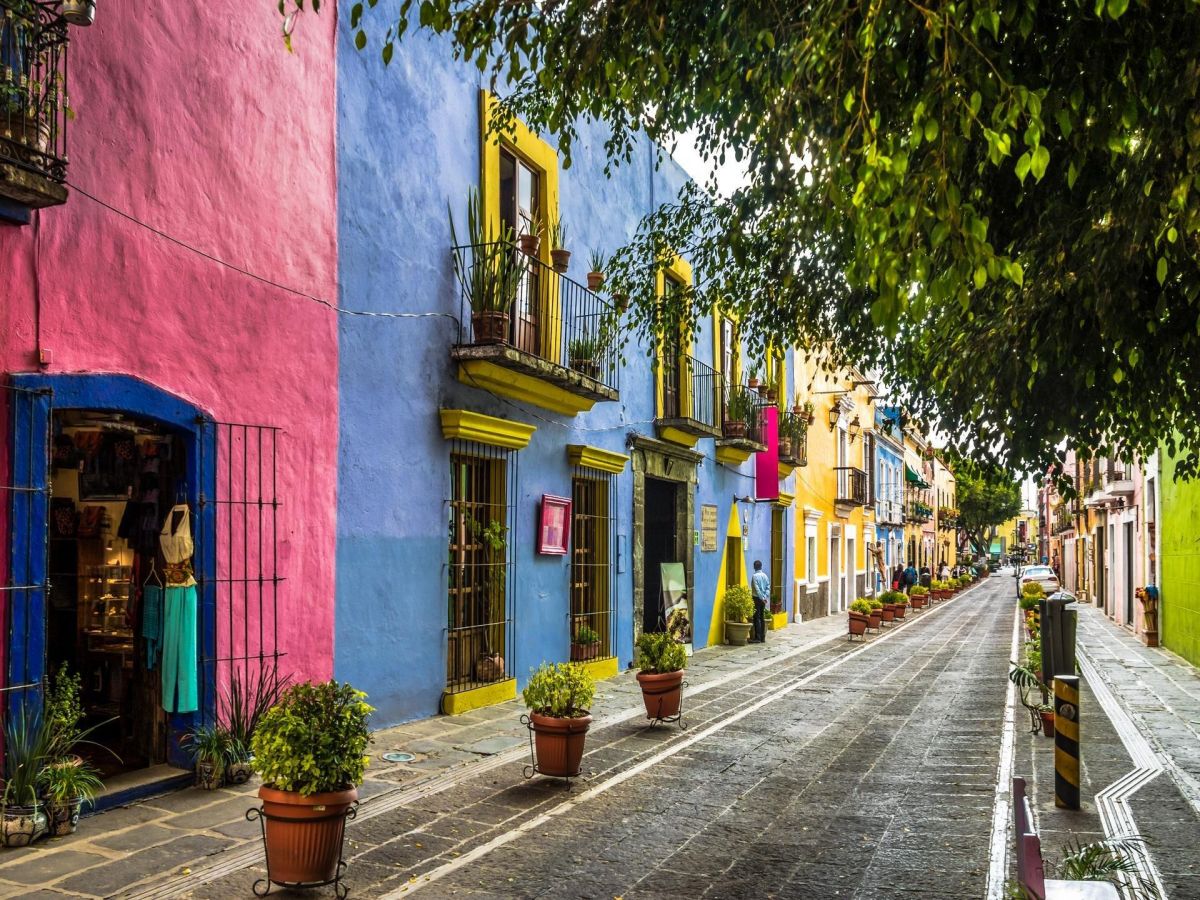
Colorful façades and traditional architecture in Puebla’s historic center.
Explore More
Continue planning your Spanish immersion and discover more about Puebla and Mexico.
Practical Information & Safety
Official Puebla Travel Guide
Historic Centre of Puebla
Spanish Programs in Mexico

Ready to include Puebla in your Spanish immersion in Mexico?
I’m Pedro, and I’ll personally take care of your inquiry.
No two learners are alike, so every Spanish immersion experience we create is designed specifically for you.
Complete the form, and I’ll get right to work. You can also reach me directly by email or WhatsApp.
Frequently asked questions
Why is Puebla’s historic center a UNESCO World Heritage Site?
UNESCO recognizes Puebla for its well-preserved historic center, major religious buildings, colonial street plan and distinctive fusion of European and American architectural traditions.
Is Puebla worth visiting during a Spanish immersion in Mexico?
Yes. Puebla combines major museums, historic architecture, celebrated regional food, Talavera pottery and nearby Cholula, making it an excellent cultural excursion.
How far is Puebla from Mexico City?
Puebla is roughly 130 km from Mexico City by road. Travel time varies with traffic and the departure point, and frequent intercity bus services connect the two cities.