

Barcelona: History, Culture & Things to See and Do
Barcelona is one of Spain’s most distinctive cities: a Mediterranean port shaped by Roman foundations, medieval commerce, Catalan culture, industrial growth and modern design.
From the remains of Roman Barcino and the streets of the Gothic Quarter to the Eixample and the architecture of Antoni Gaudí, Barcelona reveals its history through clearly defined urban layers.
Today, the city combines major museums and monuments with neighborhood markets, beaches, contemporary culture and easy access to some of Catalonia’s most important historic and natural destinations.
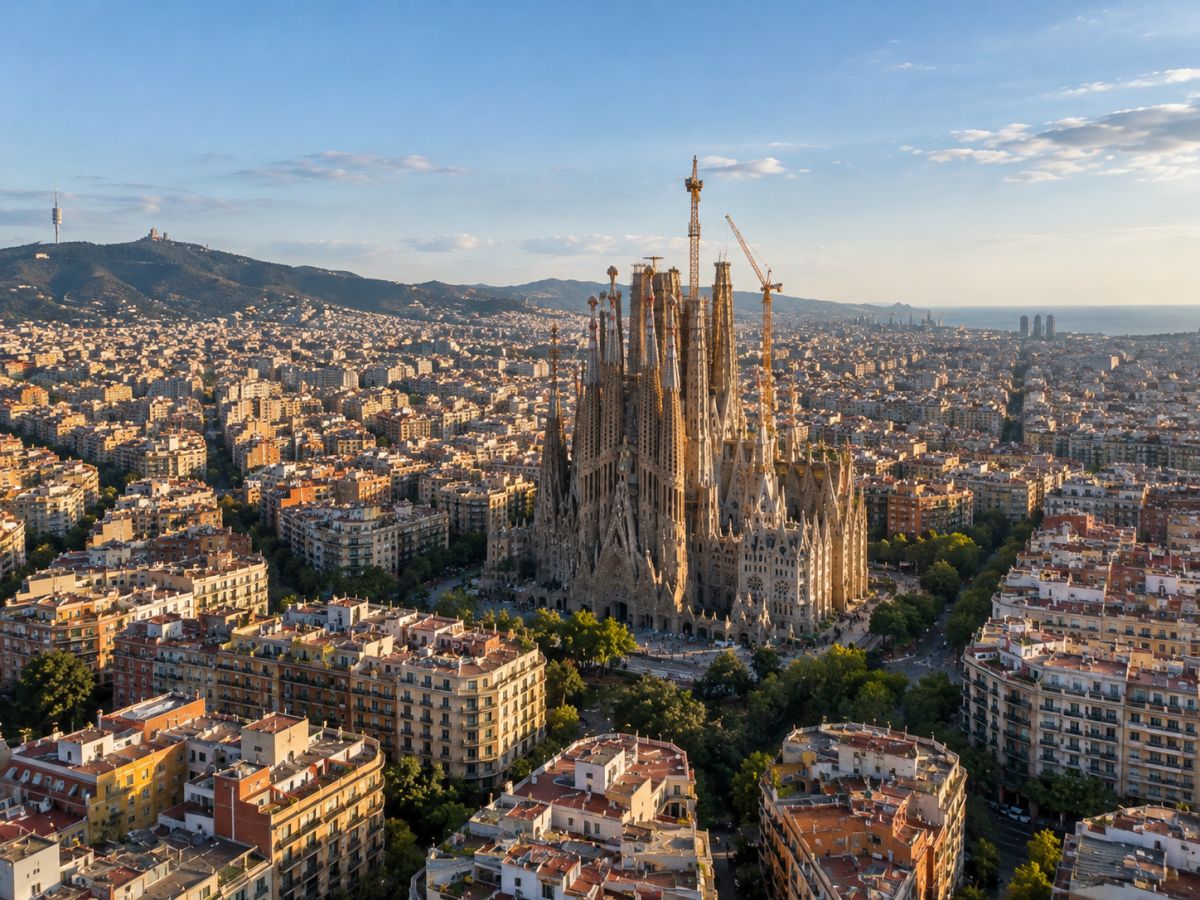
The Sagrada Família is one of Barcelona’s most recognizable landmarks.
A Short History of Barcelona
Roman Barcino and the medieval city
The Romans founded Barcino around the end of the first century BCE. Parts of its walls, streets and temple survive within the Gothic Quarter. During the Middle Ages, Barcelona expanded as a political and commercial center connected with the Crown of Aragon and Mediterranean trade.
A Mediterranean commercial center
Medieval prosperity supported the construction of churches, civic buildings and merchant quarters. The Gothic Quarter, Santa Maria del Mar and the former commercial district around El Born reflect Barcelona’s importance as a maritime city.
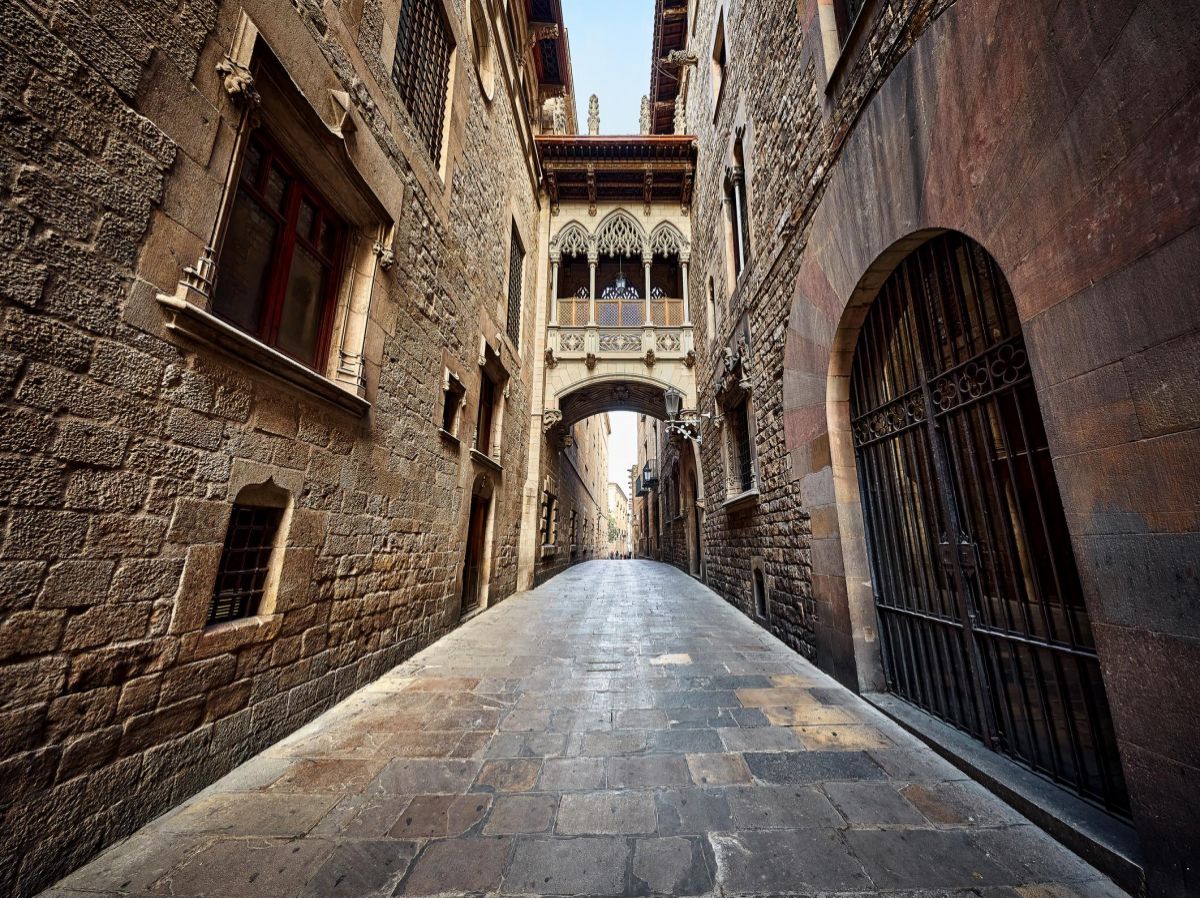
Barcelona’s Gothic Quarter preserves traces of the Roman and medieval city.
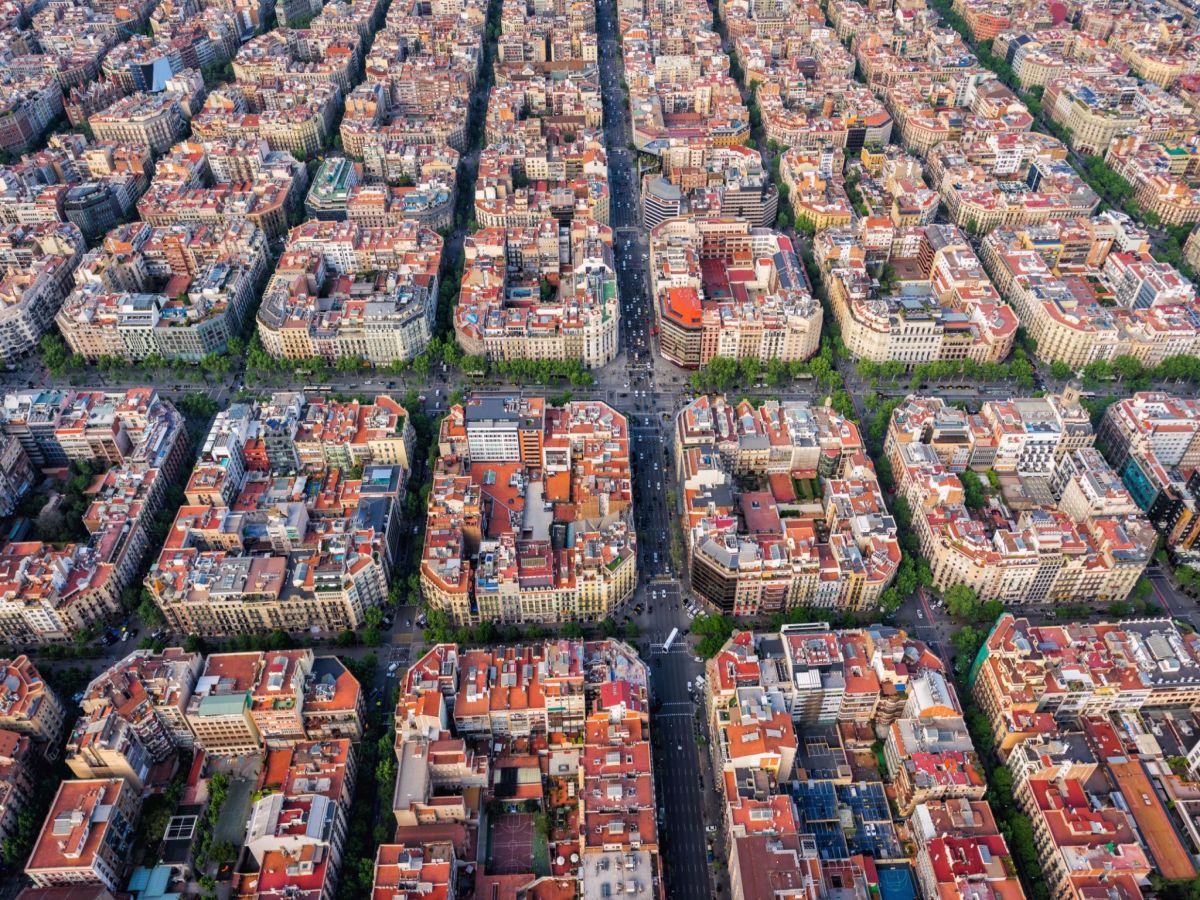
The Eixample gave Barcelona a new urban form and became a showcase for Modernisme.
Industrial growth and the Eixample
Industrialization transformed Barcelona during the 19th century. After the medieval walls were removed, Ildefons Cerdà’s Eixample plan extended the city with a rational grid. Prosperous families commissioned architects such as Antoni Gaudí, Lluís Domènech i Montaner and Josep Puig i Cadafalch.
The modern and contemporary city
Barcelona experienced political conflict, dictatorship and major social change during the 20th century. The 1992 Olympic Games accelerated the redevelopment of the waterfront and infrastructure. The city continues to balance global influence with a strong Catalan cultural identity.
Things to See and Do in Barcelona
1. Sagrada Família
Antoni Gaudí’s unfinished basilica combines complex geometry, religious symbolism and innovative structure. The Nativity façade and crypt form part of the UNESCO-listed Works of Antoni Gaudí. Advance reservations are strongly recommended.
2. Gothic Quarter & Barcelona Cathedral
Walk through streets built over Roman and medieval Barcelona. Cathedral squares, remnants of the Roman walls, civic buildings and small passages make this the best place to understand the city’s earliest layers.
3. Park Güell
This hillside project brings architecture, landscape, mosaics and city views together. Its monumental area contains some of Gaudí’s most recognizable forms and also forms part of the UNESCO World Heritage property.
4. Passeig de Gràcia
Walk along this major Eixample avenue to see Casa Batlló, Casa Milà and other Modernisme landmarks. The surrounding blocks demonstrate how architecture, commerce and urban planning reshaped Barcelona.
5. Picasso, Miró and Catalan art
The Museu Picasso explores the artist’s formative relationship with Barcelona. The Fundació Joan Miró and Museu Nacional d’Art de Catalunya offer broader perspectives on modern art and Catalonia’s artistic heritage.
6. Montjuïc
Montjuïc brings together museums, gardens, Olympic sites, cultural venues and views over the port. It is an ideal place to connect Barcelona’s modern history with its landscape.
7. Markets, neighborhoods and the waterfront
Visit a neighborhood market, explore El Born, Gràcia or Poblenou, and walk toward Barceloneta and the Mediterranean waterfront. Moving beyond the busiest streets reveals more of everyday Barcelona.
8. Day Trips from Barcelona
Montserrat: visit the mountain monastery and explore walking routes with dramatic views.
Girona: discover medieval streets, the cathedral and the historic Jewish quarter.
Sitges: enjoy a coastal town known for beaches, Modernisme and cultural events.
Tarragona: explore major Roman remains overlooking the Mediterranean.
Festivals and events
La Mercè: Barcelona’s major city festival fills streets and plazas with concerts, parades, human towers, fire runs and other Catalan traditions.
Sant Jordi: on April 23, books and roses transform streets throughout the city in one of Catalonia’s most distinctive cultural celebrations.
Festa Major de Gràcia: neighborhood residents decorate their streets for a lively August festival with concerts, shared meals and community events.
Grec Festival: Barcelona’s summer arts festival presents theater, dance, music and contemporary performance at venues across the city.
Christmas and Three Kings: seasonal markets, lights and the January 5 procession bring families into streets and plazas across Barcelona.
Culture: What Makes Barcelona Feel the Way It Does
A Mediterranean city of neighborhoods
Barcelona is internationally connected, but daily life remains rooted in individual neighborhoods. Markets, plazas, local shops and community festivals give each district its own rhythm and identity.
Architecture as cultural identity
Roman walls, Gothic churches, the Eixample and Modernisme make architecture part of everyday experience. Gaudí is the best-known figure, but the city’s design culture extends well beyond his work.
Markets and Catalan flavors
Neighborhood markets, seafood, seasonal vegetables, rice dishes, pa amb tomàquet and traditional Catalan cooking offer natural opportunities to connect food with language and local life.
Catalan and Spanish
Catalan and Spanish are both official languages and are visible throughout public life. Spanish is widely spoken, while recognizing Catalan words and place names helps visitors better understand the city’s identity.
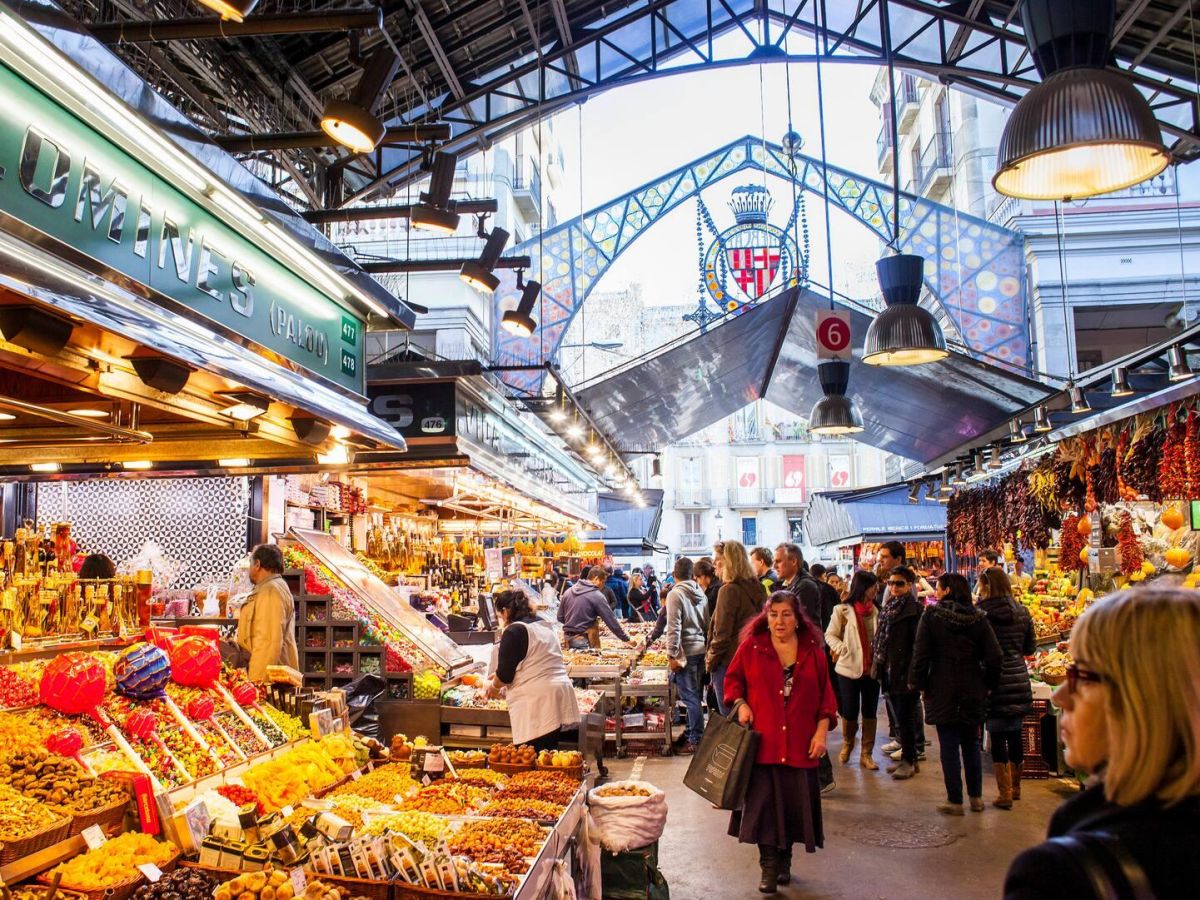
Barcelona’s markets and neighborhoods connect local food, language and everyday culture.
Explore More
Continue planning your Spanish immersion and discover more about Barcelona and Spain.
Practical Information & Safety
Official Barcelona Travel Guide
Works of Antoni Gaudí
Spanish Programs in Spain

Ready to include Barcelona in your Spanish immersion in Spain?
I’m Pedro, and I’ll personally take care of your inquiry.
No two learners are alike, so every Spanish immersion experience we create is designed specifically for you.
Complete the form, and I’ll get right to work. You can also reach me directly by email or WhatsApp.
Frequently asked questions
Why are the Works of Antoni Gaudí UNESCO World Heritage sites?
UNESCO recognizes seven properties in or near Barcelona for Gaudí’s exceptional creative contribution to architecture and building technology during the late 19th and early 20th centuries.
Is Barcelona worth visiting during a Spanish immersion in Spain?
Yes. Barcelona combines Roman and medieval history, Modernisme, major museums, Mediterranean culture and distinctive neighborhoods, making it a valuable cultural addition to a Spanish immersion in Sevilla.
How can I travel between Barcelona and Sevilla?
Direct trains and flights connect Barcelona and Sevilla, while long-distance buses are also available. The best option depends on your dates, budget and luggage, so check current schedules and departure points before travelling.