

Studying Spanish in Spain: Practical Information & Safety Tips
If you’re planning a Spanish immersion in Spain—whether in Sevilla or while exploring another part of the country—you probably have practical questions that ordinary travel guides do not always answer clearly.
How do you pay for things? Which transport should you use? How should you prepare for the summer heat?
This guide covers the details that can make your stay easier, together with practical advice about safety, communication, healthcare and local customs.
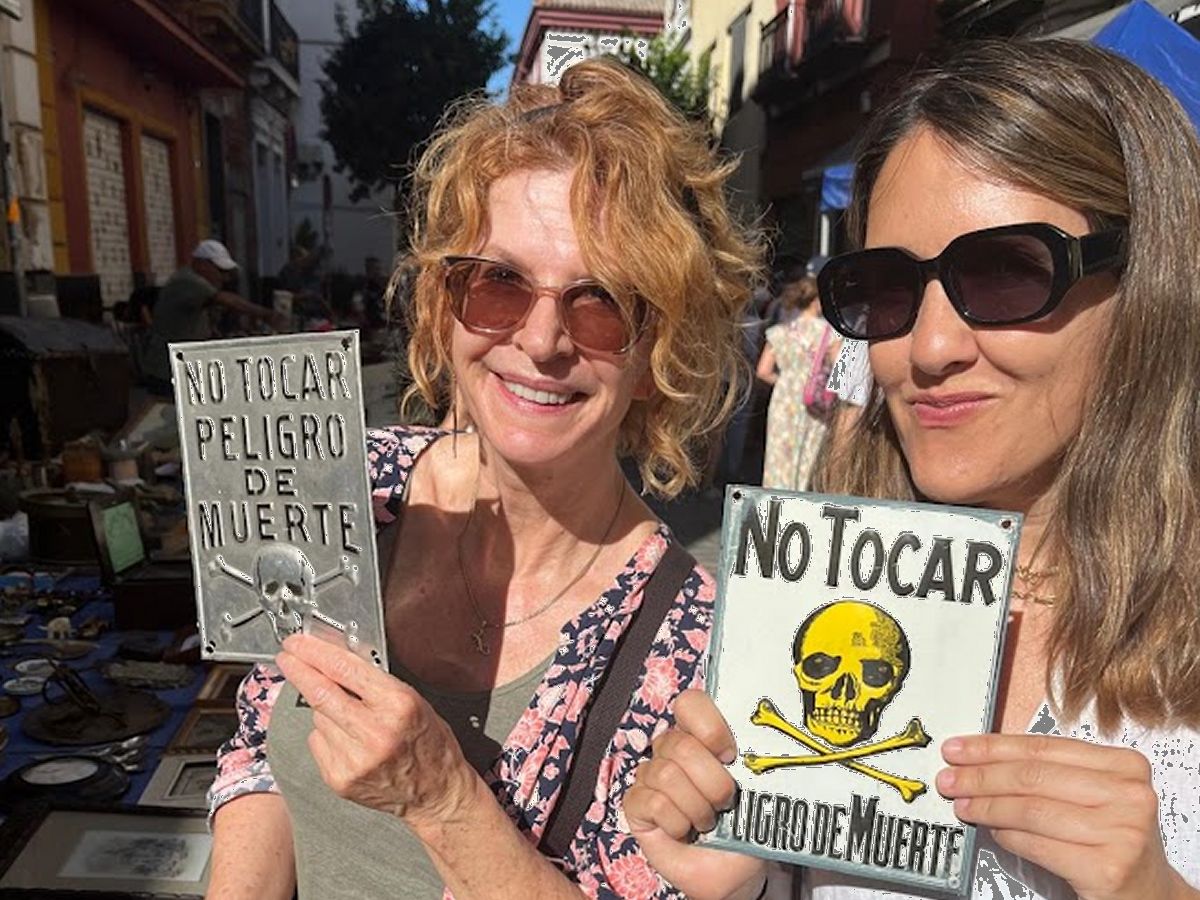
Is Spain safe? Practical advice
Spain is a popular international destination, but visitors should still take ordinary urban precautions. Opportunistic theft—including pickpocketing and unattended-bag theft—is the most relevant concern in crowded tourist areas, on public transport and around major stations.
Conditions can change, so review your government’s current travel guidance before departure. In Sevilla, follow our local team’s advice about routes, neighborhoods and transportation, particularly when returning late in the evening.
Practical safety tips that actually matter
Use official taxis or trusted transportation. At Spanish airports and major railway stations, follow signs to the official taxi rank or your prearranged pickup point. In historic centers such as Sevilla, some streets restrict vehicle access, so confirm the closest practical drop-off.
Be alert on busy rail and metro services. At Madrid and Barcelona transport hubs and on crowded trains, secure your phone and wallet before boarding and during station changes.
Mind crowded stations and attractions. At major rail stations and popular historic sites, keep your day bag in sight and store your passport and backup payment cards securely.
Plan historic-center visits. In Sevilla and other historic cities, ask about pedestrian streets, limited vehicle access and the easiest return route after an evening out.
Keep belongings close at outdoor tables. At busy tapas bars, terraces and festival gatherings, keep bags off the backs of chairs and phones away from table edges.
Save emergency details. Call 112 for police, ambulance or fire services in Spain. Keep your accommodation address and insurance assistance number available offline.
Phone, internet and staying connected
Prepaid SIM cards are available from mobile-phone shops and major providers such as Movistar, Orange and Vodafone. European Union roaming rules may allow visitors with an EU mobile plan to use their existing allowance, although provider conditions and fair-use limits vary. If your phone supports eSIM, compare activation, data and coverage before departure.
Wi-Fi is common in accommodation, cafés, schools, trains and shopping centers. WhatsApp is widely used in Spain for everyday communication, so installing it before you travel is practical. Download offline maps and save your accommodation address before setting out.
Money: euros, cards and ATMs
Spain uses the euro (EUR). Credit and debit cards are widely accepted in restaurants, supermarkets, hotels and shops, but a modest amount of cash remains useful for small purchases and traditional businesses.
ATMs:
use machines operated by established banks whenever possible. Check the displayed withdrawal fee and exchange rate before confirming the transaction.
Currency conversion:
when paying by card in Spain, choose euros rather than an offered conversion to your home currency when that gives you a better rate. For cash withdrawals, review both the Spanish ATM operator’s fee and any charge from your own bank.
Cash exchange:
if you need to exchange currency, compare the total cost at reputable providers. Airport services are convenient but may offer less competitive rates.
Tipping:
tipping is appreciated but less formal than in some countries. Many people round up the bill or leave a small amount for good service; larger tips may be appropriate in formal restaurants.
Planning figure:
daily spending depends on your habits, season and location. Sevilla can be less expensive than Madrid or Barcelona, but check current menus, admission prices and transport fares instead of relying on a fixed estimate.

The ANDERS LANGUAGES Spanish immersion residence in Sevilla.
Water, food and health
Tap water in Spain is generally safe to drink. Bottled water is also widely available, and our residence provides drinking water and refreshments.
Spain’s food culture varies by region. Regional specialties range from Andalusian gazpacho and fried fish to Valencian rice dishes, Basque pintxos and Galician seafood. Tell us about allergies, intolerances or dietary requirements before arrival so that we can plan appropriately.
Pharmacies, public healthcare services and private clinics are widely available. Appropriate travel insurance is recommended. Bring required medication in its original packaging together with a copy of your prescription, and seek professional medical advice when needed.
Visitors from eligible countries may be able to use a European Health Insurance Card for necessary state healthcare during a temporary stay, but it does not replace comprehensive travel insurance. Confirm your eligibility and coverage before departure.
Electricity and plugs
Spain uses type C and type F plugs, with a nominal supply of 230V at 50Hz.
From most of continental Europe: your plugs will normally fit.
From the United States, Canada, the UK or Australia: bring a type C/F plug adapter.
Bring a power bank: it is useful for digital rail tickets, navigation through pedestrian-only historic centers and long sightseeing days in Andalucía.
Check the label: chargers marked “100–240V, 50/60Hz” can normally be used with only a plug adapter. Appliances designed only for 110–120V may require a voltage converter and may not be suitable for use in Spain.
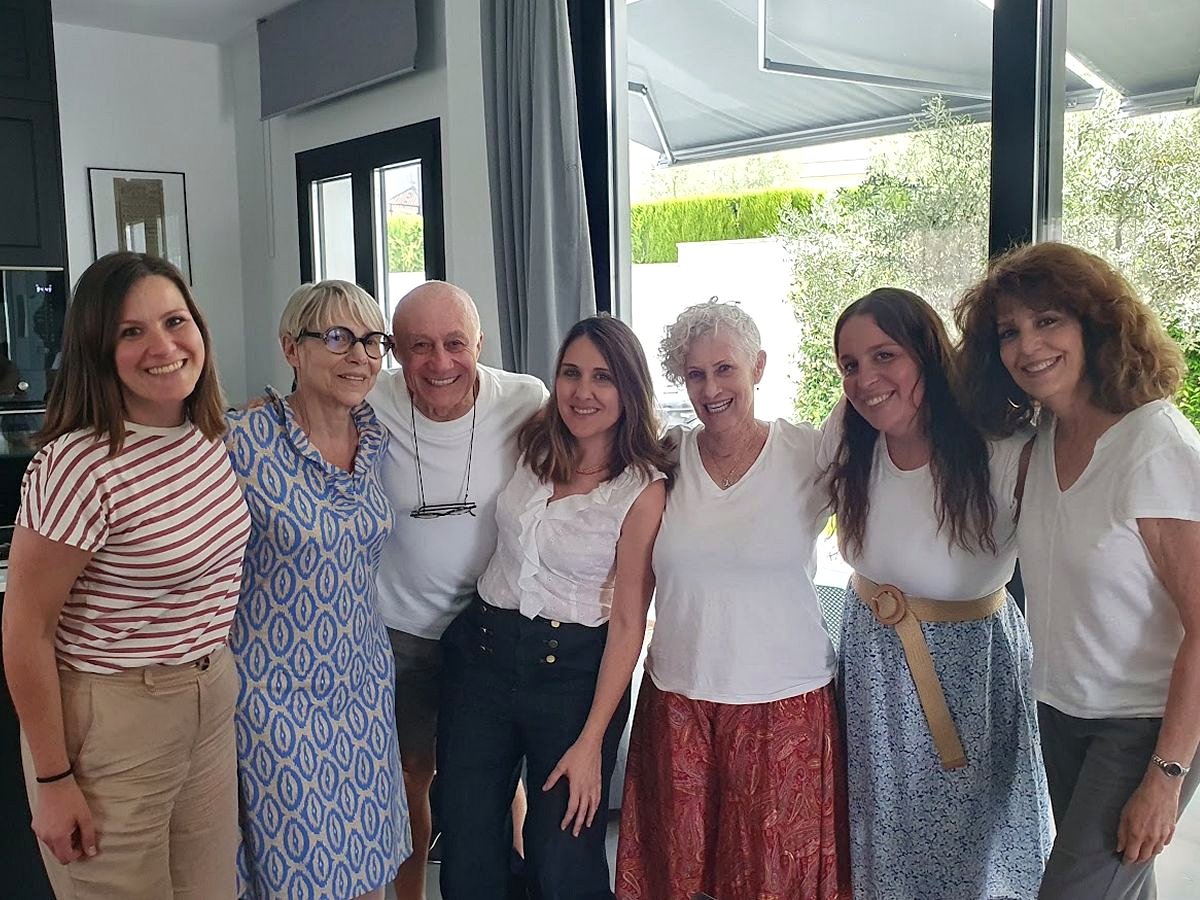
Our local team can help you plan transportation and experiences in Sevilla and Andalucía.
Getting around
Spain has an extensive network of international airports and rail connections. If your immersion takes place in Sevilla, consult our Sevilla guide for arrival points and transfer arrangements with our local team. Transfers from Jerez Airport (XRY) or Málaga Airport (AGP) can also be arranged.
Within cities:
Public transport differs by city. Madrid and Barcelona have extensive metro and commuter networks; many other cities rely on buses, trams or local rail. Check each city’s official transport information before traveling.
Between cities:
high-speed and long-distance trains connect Sevilla with Madrid, Córdoba, Málaga and other Spanish cities. Intercity buses serve destinations not reached directly by train. Book ahead for weekends, holidays and major festivals.
Taxis:
use official taxi ranks or request a vehicle through an established service. Airport and station services may use regulated fixed fares or supplements; check current information before travel.
Driving:
a car is usually unnecessary within Sevilla but can be useful for rural Andalucía. Historic centers may have narrow streets, access restrictions and limited parking, so review the route and parking arrangements in advance.
Weather: when to come
Spain has varied climates: Atlantic conditions in the north, continental contrasts inland, Mediterranean weather along much of the coast, and subtropical conditions in the Canary Islands. The season and destination both matter when packing. For detailed local advice about Sevilla, consult our dedicated Sevilla practical information guide.
October–March: cooler months
Days are often mild, while mornings, evenings and rainy periods can feel cool. Bring layers and a light waterproof jacket.
April–May and September–October
Spring and autumn conditions vary substantially across Spain. Northern regions can be cool and rainy while southern and Mediterranean destinations may remain warm. Major local festivals can also affect availability and transportation.
June–August: summer heat
Summers are typically hot in much of inland and southern Spain, while coastal and northern areas may be milder. Check the forecast for every stop on your itinerary rather than assuming one climate applies nationwide.
Check Spain’s State Meteorological Agency (AEMET) shortly before travel and before longer excursions.
Culture and courtesy
Greetings matter
In Spain, a simple “hola” or “buenas” works well in neighborhood shops and cafés. At tapas bars, it is common to order at the counter, although table service and payment customs vary by establishment.
Practicing your Spanish
Spanish is the principal language throughout the country, while Catalan, Galician, Basque and other regional languages are part of everyday life in certain areas. Simple greetings and courteous questions in Spanish are a useful starting point.
Meals follow a later schedule
Lunch and dinner are often later than visitors from some countries expect. You should still be punctual for classes, transfers, reservations and organized activities.
Andalusian Spanish
Local pronunciation and expressions may initially sound different from textbook Spanish. Your instructors will help you recognize regional speech while developing Spanish understood throughout the Spanish-speaking world.
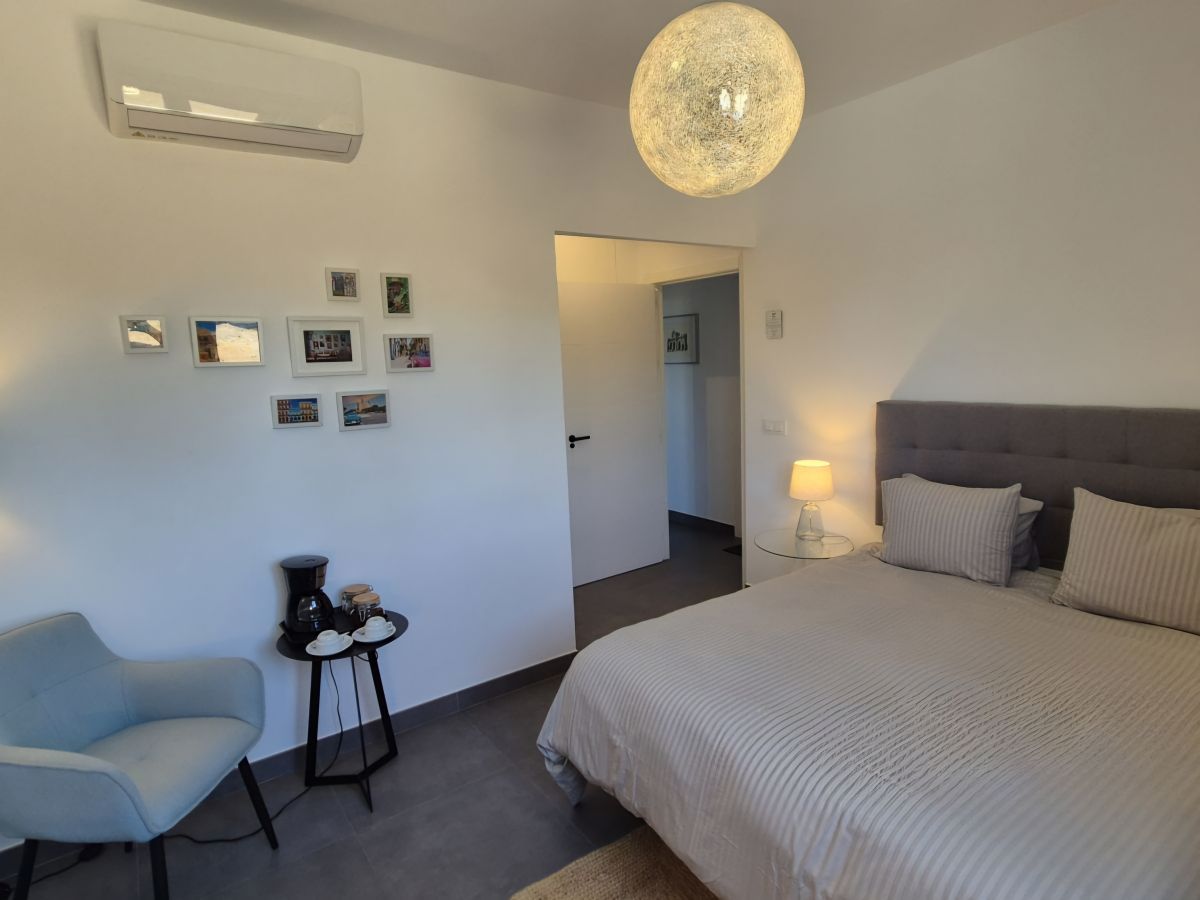
Accommodation at the ANDERS LANGUAGES Spanish immersion residence near Sevilla.
Frequently asked questions
Is Spain safe for language students?
Spain is a popular destination for international students. Take normal travel precautions, keep valuables secure in crowded areas and on public transport, and follow current local guidance. Check the latest official travel advice before departure.
Can I drink tap water in Spain?
Yes. Tap water in Spain is generally safe to drink. Bottled water is also widely available, and drinking water and refreshments are provided at our residence.
How much spending money do I need?
Your spending will depend on your preferences, season and location. Sevilla can be less expensive than Madrid or Barcelona, but current menus, admission prices and transport fares are more reliable than a fixed daily estimate.
Should I buy travel insurance?
Yes. Choose coverage appropriate to your health, planned activities and itinerary, including medical treatment, evacuation, cancellation and lost belongings where relevant. Keep the insurer’s emergency number and your policy details available offline.
Explore More
Continue planning your Spanish immersion and discover more about studying Spanish in Spain.
Spanish Immersion in Sevilla
Sevilla & Andalucía
Eating Out in Sevilla
Programs & Curriculum
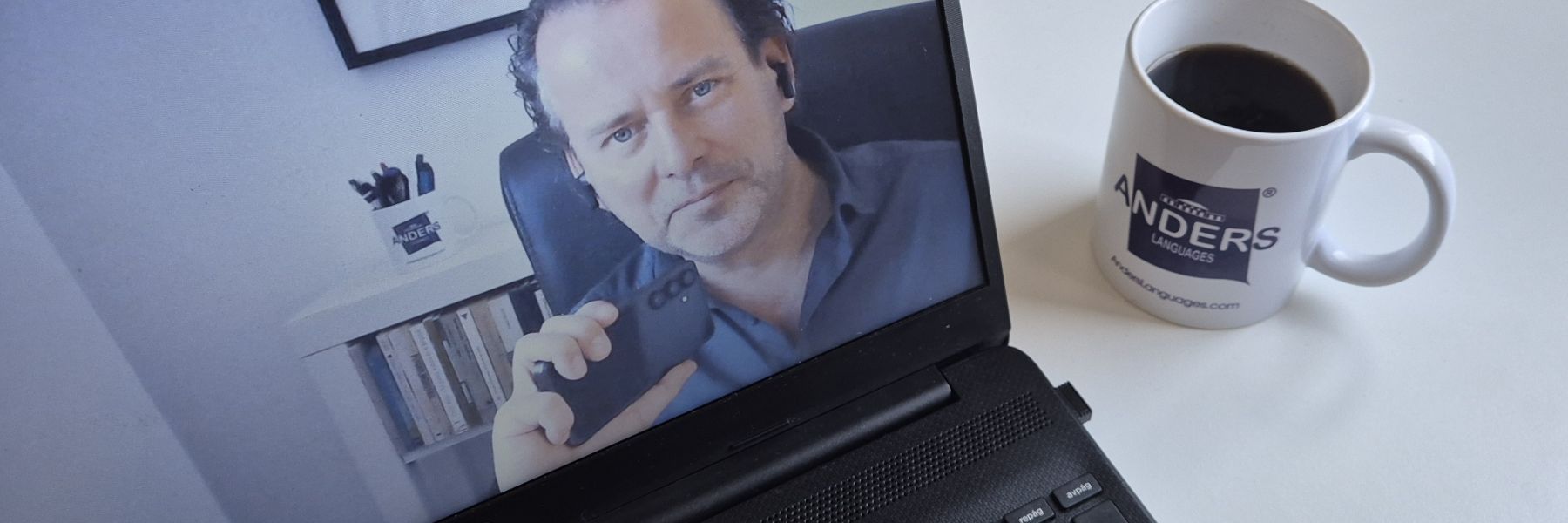
Ready to plan your Spanish immersion in Sevilla?
I’m Pedro, and I’ll personally take care of your inquiry.
No two learners are alike, so every Spanish immersion experience we create is designed specifically for you.
Complete the form, and I’ll get right to work. You can also reach me directly by email or WhatsApp.