

Sevilla: History, Culture & Things to See and Do
Sevilla is a city where Roman foundations, Islamic architecture, medieval streets and the wealth of Spain’s Atlantic trade remain visible in everyday life.
The Guadalquivir River connected Sevilla with the Americas, while the Real Alcázar, the Cathedral and the Archivo de Indias preserve different chapters of the city’s history.
Today, Sevilla combines monumental heritage with neighborhood life, flamenco, tapas, festivals and a distinctive Andalusian way of speaking—an exceptional setting for learning Spanish through culture and conversation.
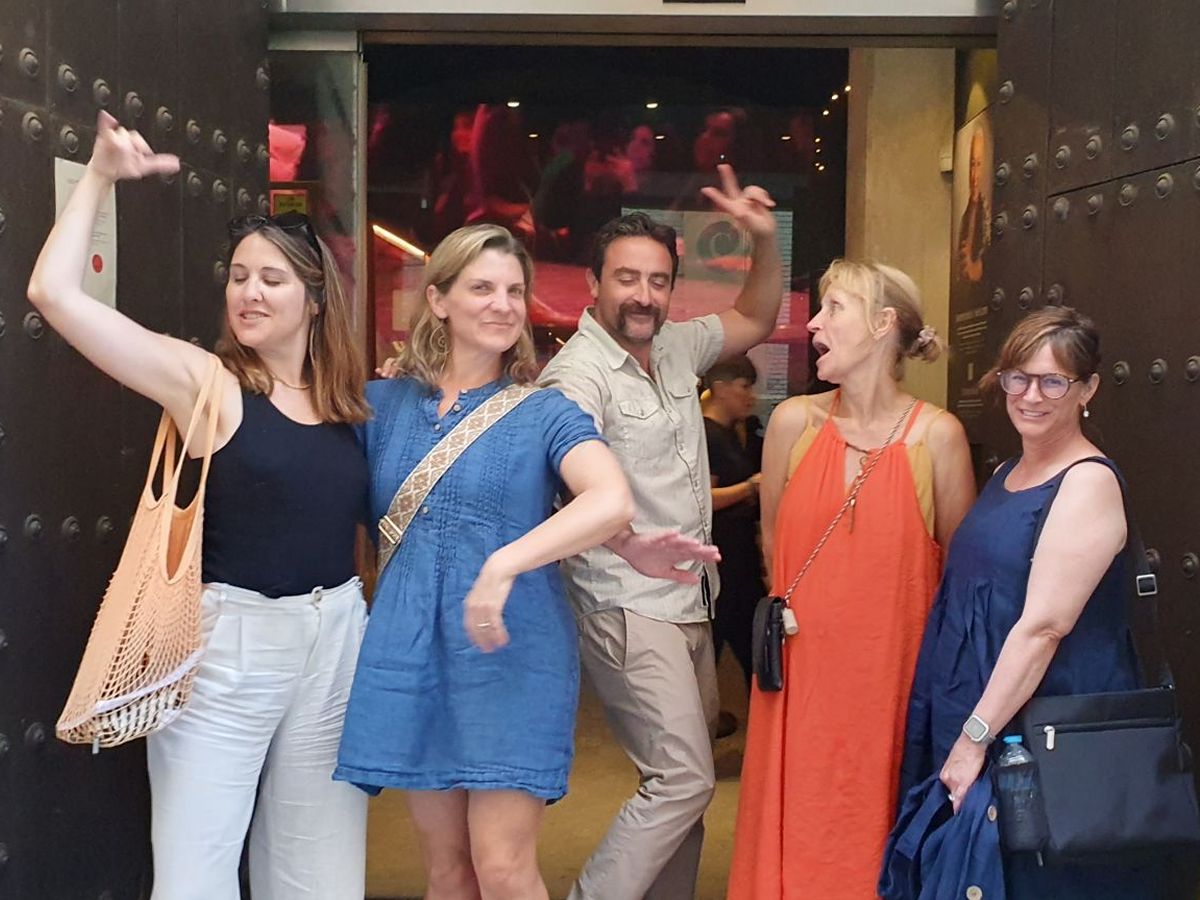
Sevilla’s historic center reflects centuries of Roman, Islamic, Christian and Atlantic history.
A short history of Sevilla
Roman Hispalis and Visigothic Sevilla
The Romans developed Hispalis as an important port on the Guadalquivir. The nearby city of Itálica, birthplace of the emperors Trajan and Hadrian, preserves some of the region’s most impressive Roman remains. Sevilla remained an important urban and religious center during the Visigothic period.
Islamic Ishbiliya and the Christian city
Under Muslim rule, Ishbiliya became one of the leading cities of Al-Andalus. The Almohads built the minaret that later became the Giralda and established the foundations of the Alcázar complex. Ferdinand III of Castile conquered the city in 1248. Christian rulers then adapted, expanded and reinterpreted its Islamic buildings, creating the layered architecture that defines Sevilla today.
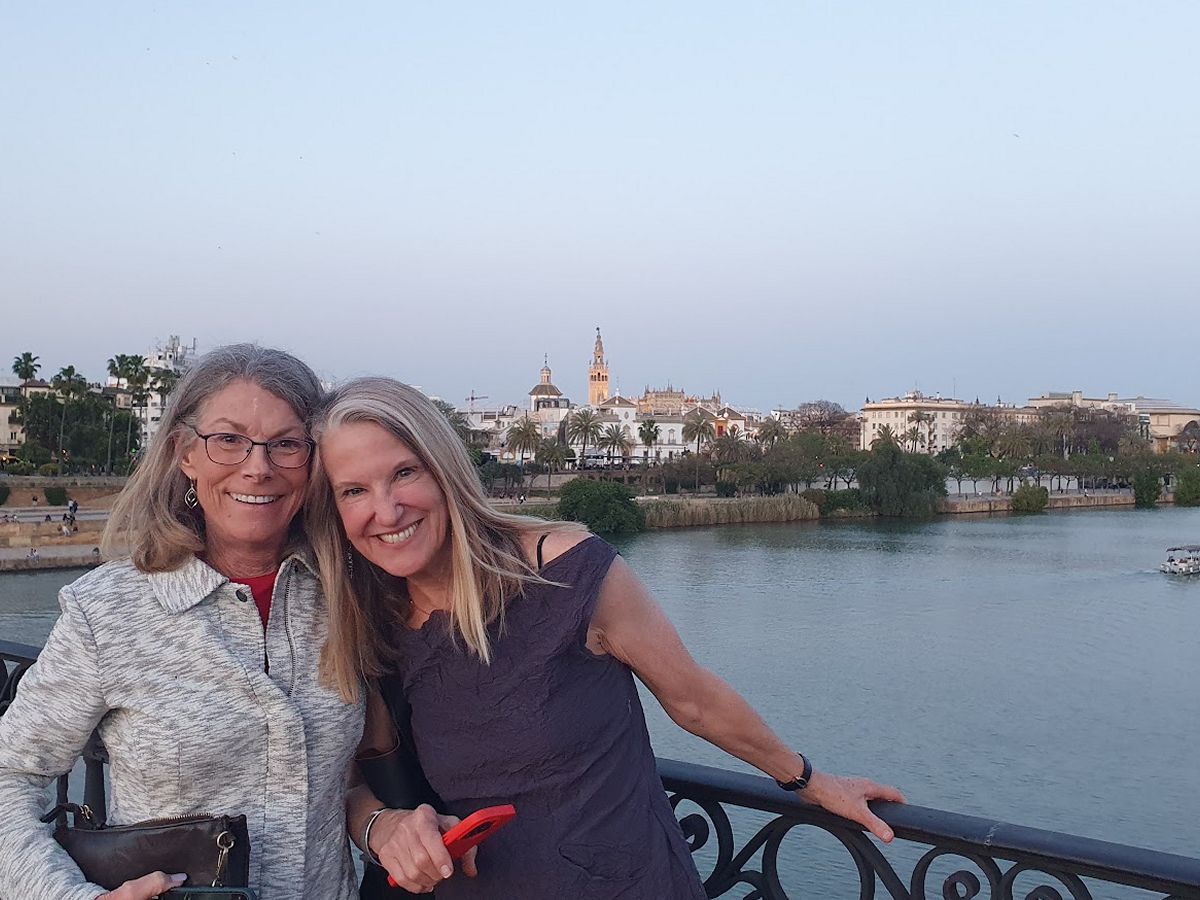
Sevilla’s monuments and neighborhoods provide real-world material for Spanish study.
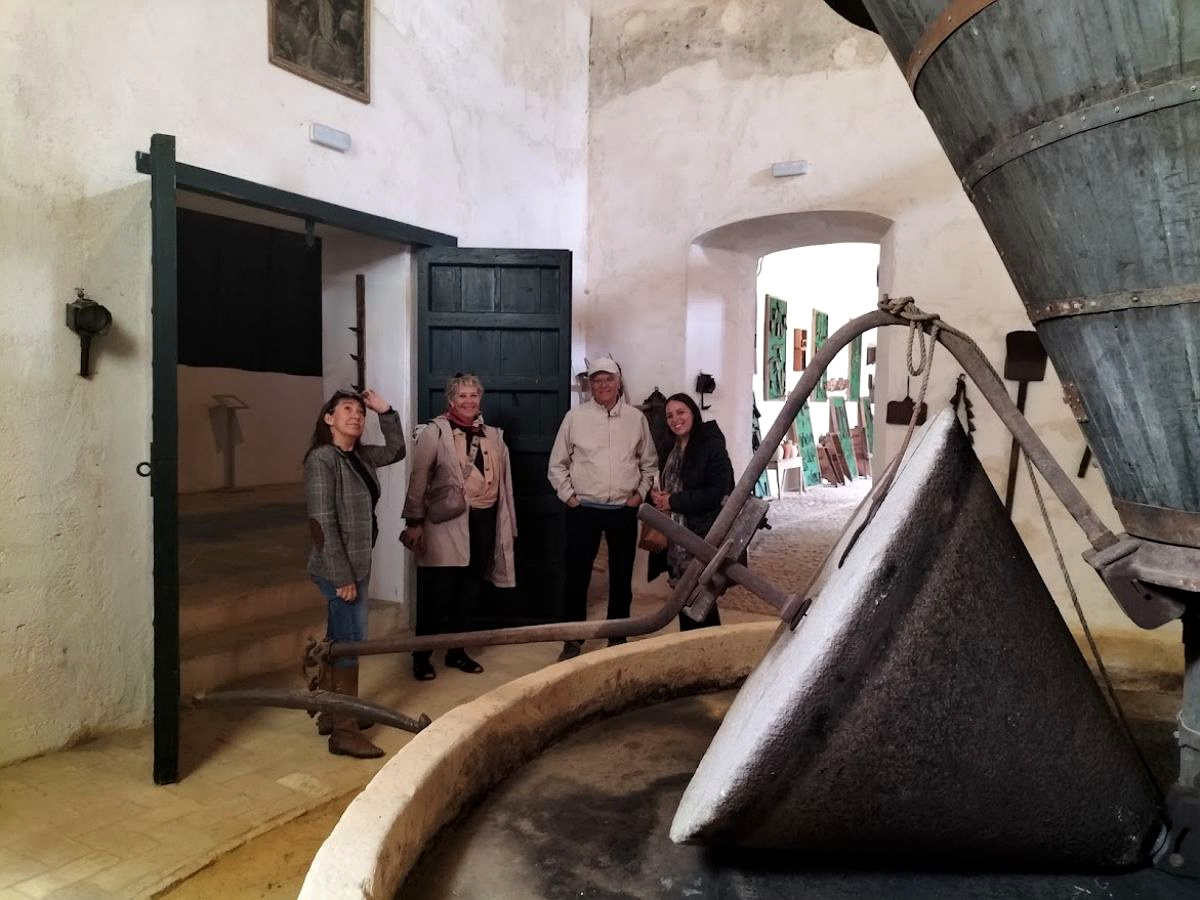
Local experiences connect Sevilla’s history with contemporary life.
The Atlantic gateway
After 1492, Sevilla became the administrative center of Spain’s trade with the Americas. The Casa de la Contratación was established in 1503, and merchants, sailors, artists and officials transformed the city. The Cathedral, the Archivo de Indias and many palaces and churches reflect the prosperity—and the human consequences—of this period of imperial expansion.
From decline to the modern city
Sevilla’s commercial importance declined after Spain’s American trade shifted toward Cádiz. The city later reinvented itself through industry, culture and major urban projects. The Ibero-American Exposition of 1929 created landmarks such as Plaza de España, while Expo ’92 reshaped the riverfront, transport links and the Isla de la Cartuja.
Things to see and do in Sevilla
1. Catedral de Sevilla & the Giralda
The Cathedral stands on the site of the city’s Almohad mosque. Its bell tower, the Giralda, began as a minaret and has become Sevilla’s most recognizable landmark. The complex brings Islamic and Christian history together in one extraordinary setting.
2. Real Alcázar
This royal palace complex developed across many centuries. Its Mudéjar halls, courtyards and gardens reveal how Islamic artistic traditions continued under Christian rule. Advance reservations are advisable during busy periods.
3. Archivo General de Indias
Located between the Cathedral and the Alcázar, the archive preserves documents relating to Spain’s administration of its overseas territories. Its exhibitions help place Sevilla’s monuments within the broader history of Atlantic exchange and empire.
4. Barrio de Santa Cruz
Narrow streets, small plazas and whitewashed buildings make the former Jewish quarter one of Sevilla’s most visited neighborhoods. Go beyond the busiest routes to notice its courtyards, tiled signs and quieter residential corners.
5. Plaza de España & Parque de María Luisa
Built for the 1929 Ibero-American Exposition, Plaza de España is known for its monumental semicircle, bridges and ceramic decoration. The adjoining park offers shaded paths, gardens and museums.
6. Triana
Across the Guadalquivir, Triana has strong connections with ceramics, flamenco and river trades. Visit the market, walk Calle Betis and explore the neighborhood’s workshops and smaller streets.
7. Fine arts, palaces and contemporary Sevilla
The Museo de Bellas Artes, Casa de Pilatos and Palacio de las Dueñas offer different perspectives on the city’s art and aristocratic architecture. Metropol Parasol adds a striking contemporary landmark above archaeological remains and a traditional market.
8. Day trips from Sevilla
Itálica: Roman ruins, mosaics and an amphitheater in nearby Santiponce.
Córdoba: the Mosque–Cathedral, Jewish quarter and historic center are accessible by high-speed train.
Cádiz and Jerez: Atlantic history, seafood, wine traditions and flamenco culture.
Doñana and the white villages: natural landscapes and smaller Andalusian communities beyond the major cities.
Festivals and events
Semana Santa: Holy Week processions fill the streets with religious images, music and large crowds. Routes, opening hours and transportation may change during the celebrations.
Feria de Abril: Sevilla’s spring fair brings together music, traditional dress, horses, food and dancing in a purpose-built fairground.
Corpus Christi: Religious and civic traditions animate the historic center, particularly around the Cathedral.
Flamenco festivals and performances: Sevilla’s calendar includes major programmed events as well as performances in theaters, cultural centers and smaller venues.
Christmas and Three Kings: Seasonal lights, markets and the January 5 Cabalgata de Reyes bring families into the streets and plazas.
Culture: what makes Sevilla feel the way it does
Life in the streets and plazas
Much of Sevilla’s social life takes place outdoors. Terraces, plazas, neighborhood bars and evening walks make conversation part of daily life, especially outside the hottest summer hours.
Flamenco and performance
Flamenco is connected with families, neighborhoods and artistic traditions across Andalucía. Sevilla offers formal performances, specialist venues and opportunities to explore its history without reducing it to a tourist spectacle.
Tapas and Andalusian flavors
Tapas encourage sharing and conversation. Local menus may include gazpacho, salmorejo, spinach with chickpeas, fried fish, seasonal vegetables, cured meats and dishes shaped by Andalucía’s agricultural and maritime traditions.
Andalusian Spanish
Local pronunciation may include softened or omitted consonants and a rhythm that initially challenges learners. Your instructors can help you understand regional speech while developing Spanish that communicates clearly across the Spanish-speaking world.
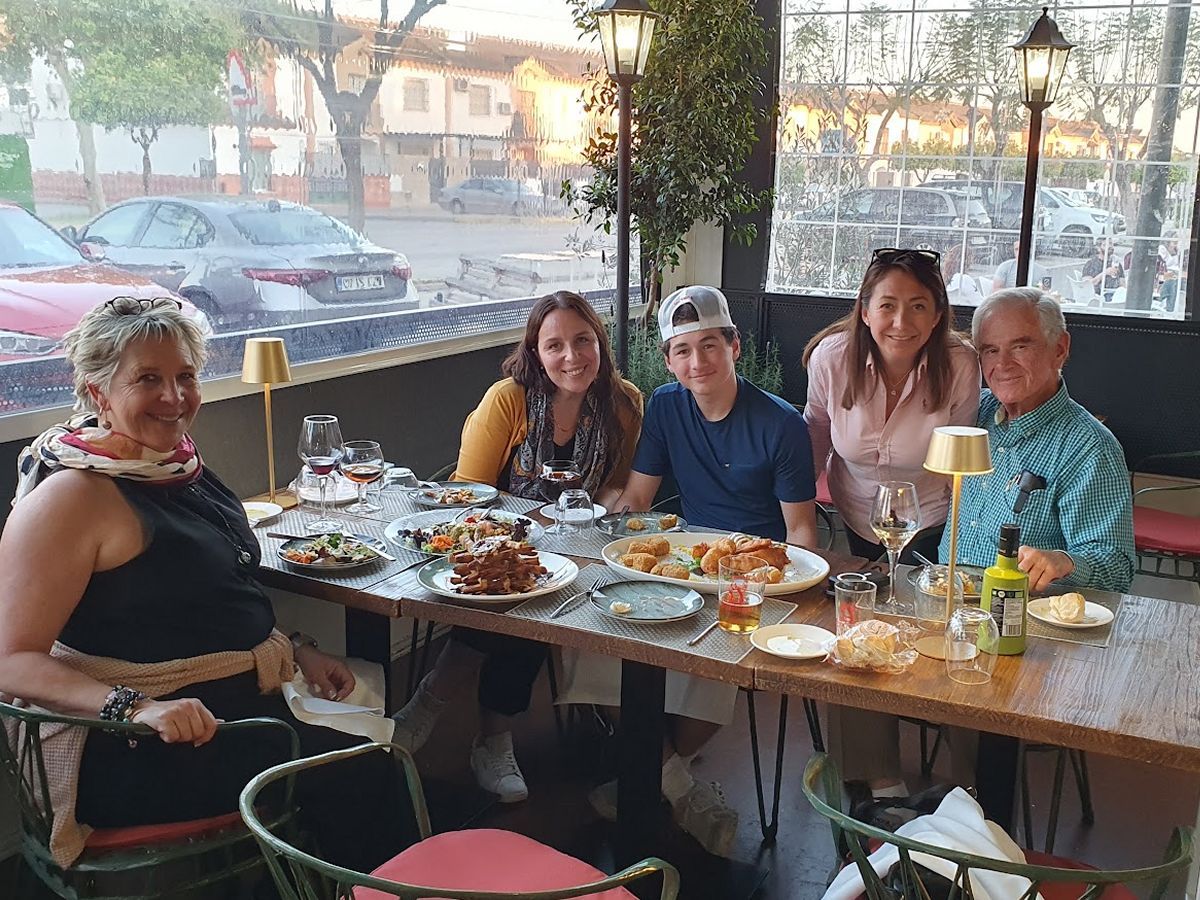
Food, conversation and cultural experiences form part of learning Spanish in Sevilla.
Explore More
Continue planning your Spanish immersion and discover more about Sevilla, Andalucía and our programs in Spain.
Practical Information & Safety
Programs & Curriculum
Our Team in Spain
Spanish Immersion in Sevilla

Ready to plan your Spanish immersion in Sevilla?
I’m Pedro, and I’ll personally take care of your inquiry.
No two learners are alike, so every Spanish immersion experience we create is designed specifically for you.
Complete the form, and I’ll get right to work. You can also reach me directly by email or WhatsApp.
Frequently asked questions
Why is Sevilla historically important?
Sevilla was an important Roman and Islamic city and later became the administrative center of Spain’s trade with the Americas. Its monuments preserve these different periods in an unusually concentrated historic center.
Is Sevilla suitable for combining Spanish study with cultural visits?
Yes. The Cathedral, Real Alcázar, Archivo de Indias, Triana, museums, markets and historic neighborhoods provide meaningful subjects for vocabulary, preparation and discussion in Spanish.
What are good day trips from Sevilla?
Popular options include Itálica, Córdoba, Cádiz, Jerez de la Frontera, Doñana and Andalucía’s white villages. Travel times and transport options vary, so ask our team for current guidance.