

Where to Eat in Cuernavaca: From Street Food to Fine Dining
Pedro and Gina’s guide to eating well in Cuernavaca
Cuernavaca eats better than cities twice its size — a legacy of two centuries as the Mexico City elite’s weekend escape.
That crowd demanded good restaurants, and the city obliged: today the valley has everything from chefs plating tasting menus in hacienda courtyards to freshly made quesadillas at a market griddle.
This guide covers both ends and everything between — with Spanish vocabulary included, because learning to order is part of your Spanish immersion in Cuernavaca.
Prices are approximate and may change.
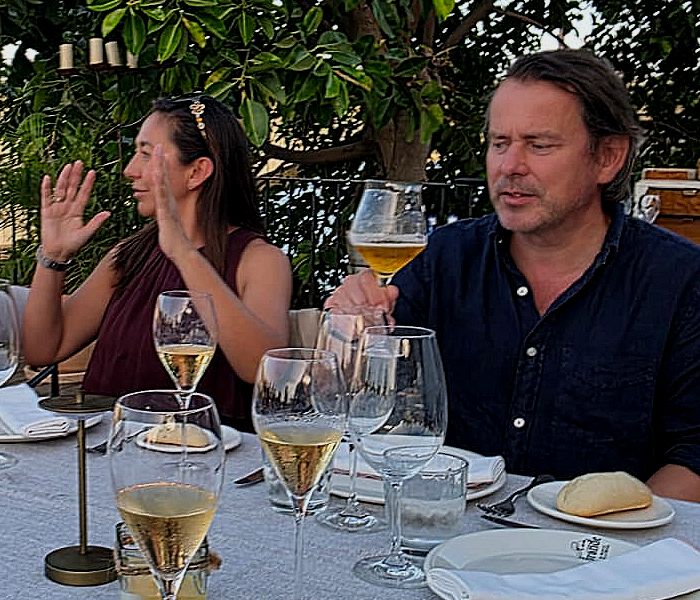
Gina and Pedro
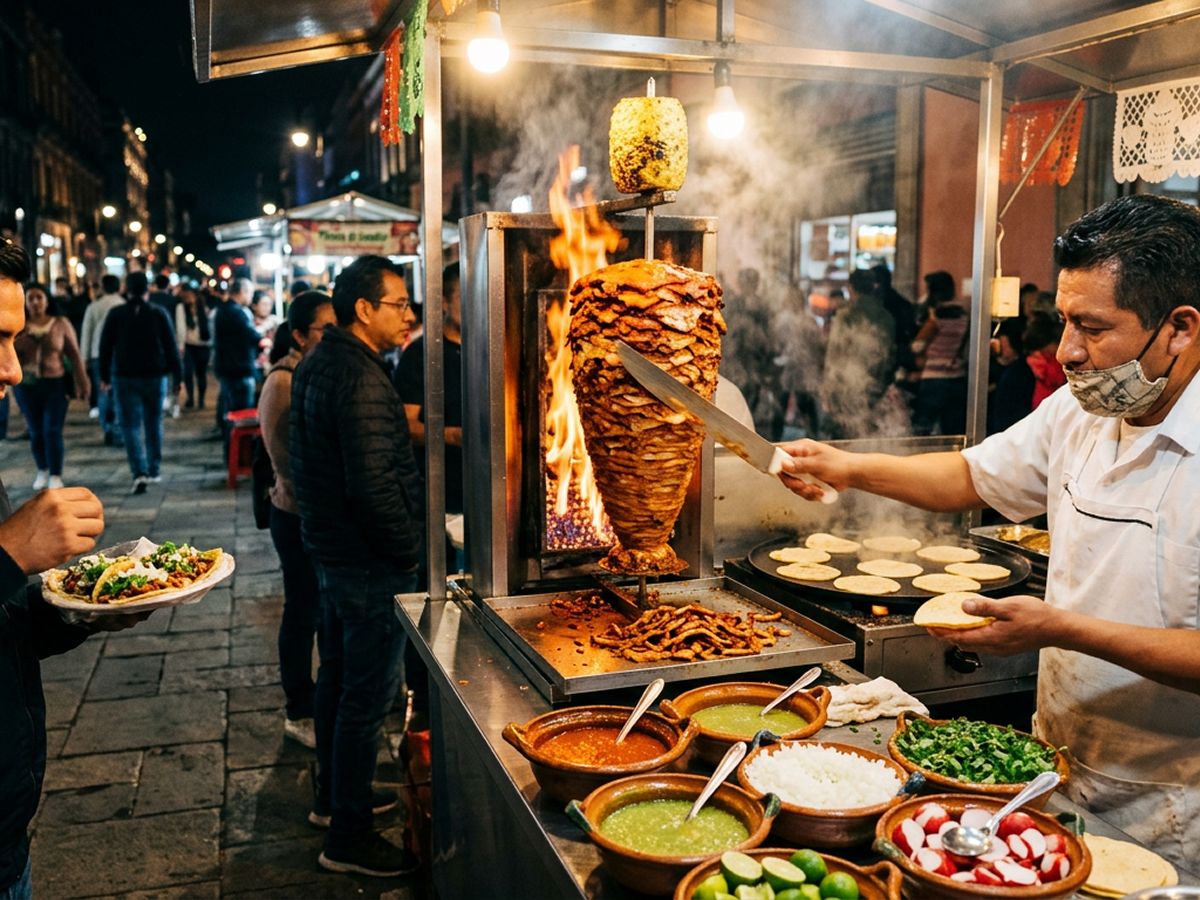
Street food from busy stalls favored by locals is generally a safe choice.
Street food: where to start
When choosing street food, look for busy stalls where food is cooked thoroughly and served hot. Start here:
Quesadillas
The small market near the center has griddle stalls making quesadillas to order — squash blossoms (flor de calabaza), huitlacoche (corn truffle), mushrooms, Oaxaca cheese. MXN 15–30 each. This is where your Spanish improves fastest: order directly, ask what things are, come back tomorrow.
Tacos de canasta and tacos de guisado
Morning taco stands (canasta = “basket” tacos, steamed) near markets and bus stops; evening stalls near the Zócalo serving guisado tacos — stews of the day, often cochinita, mole or chicharrón. MXN 15–25 each.
Esquites and elotes
Corn cups (esquites) or whole cobs (elotes) with mayonnaise, cotija cheese, chile and lime. Around MXN 20–35.
Tortas
Mexico’s sandwich, served on a crusty telera roll — try a torta de cecina or another local filling. MXN 40–60.
Atole and champurrado
Warm, masa-based morning drinks, served plain or with chocolate from insulated containers. MXN 15–25. Best with a tamal alongside.
Fresh fruit with chile
Cut mango, papaya and jícama with chile and lime from street carts — MXN 20–30. Choose a clean, busy cart and fruit that is prepared hygienically.
The markets: Cuernavaca’s food heart
Mercado Adolfo López Mateos
Cuernavaca’s large central market. Inside: produce, meat, chiles, Oaxaca cheese, local fruit you may not see at home (mamey, zapote, guanábana). Upstairs and around the edges: food stalls serving the full menu from morning until early afternoon — cecina, mole, chilaquiles, caldo de pollo. Come hungry, sit where families sit, point if needed.
Neighborhood markets
Smaller, more local, best quesadillas and barbacoa weekends. Barbacoa (slow-cooked lamb, steamed in agave leaves) with consomé is a Saturday institution here.
What to buy
Piloncillo (raw cane sugar cones), Oaxaca cheese by the kilo, dried chiles (ancho, pasilla, guajillo), local honey, and fresh tortillas from the tortillería — the smell alone is worth the trip.
Mid-range: where locals actually eat
Cazuelas and fondas
The backbone of Cuernavaca eating — small family restaurants serving one or two homestyle dishes a day (the “menú del día” or comida corrida: soup, rice, main, tortillas, agua fresca). MXN 80–150. Look for handwritten daily menus on clipboards at the door.
Cecina restaurants
Morelos’ signature: thin salted, slightly dried beef grilled over charcoal, served with cream, beans, rice and fresh cheese. A regional institution — every neighborhood has its favorite.
Mole verde de Morelos
The local green mole (pumpkin seed–based, bright and herbaceous) — different from Oaxaca’s moles and worth ordering wherever you see it.
Bakeries (panaderías)
Conchas, orejas, cuernos and pan de muerto in season — pick up a tray and tongs, choose what you want, and pay at the counter. MXN 5–15 per piece.
Fine dining: the weekend-crowd legacy
Hacienda-style restaurants
Some of Cuernavaca’s finest dining rooms are found in old haciendas and private estates, surrounded by courtyards, fountains and fireplaces for cooler evenings. Reservations are recommended on weekends, when visitors arrive from Mexico City.
Contemporary Mexican chefs
Cuernavaca has a genuine contemporary dining scene, with modern tasting menus, local produce and regional mezcals. Ask our staff for current recommendations—the restaurant scene changes quickly, and a local tip is often more useful than a review site.
Steakhouses and asadores
Several restaurants specialize in properly prepared northern Mexican cuts of meat—another influence of Cuernavaca’s weekend visitors from Mexico City.
Price guide
Fine-dining prices vary by restaurant and menu. Check current menus when planning your budget, particularly for tasting menus, wine and weekend dining.
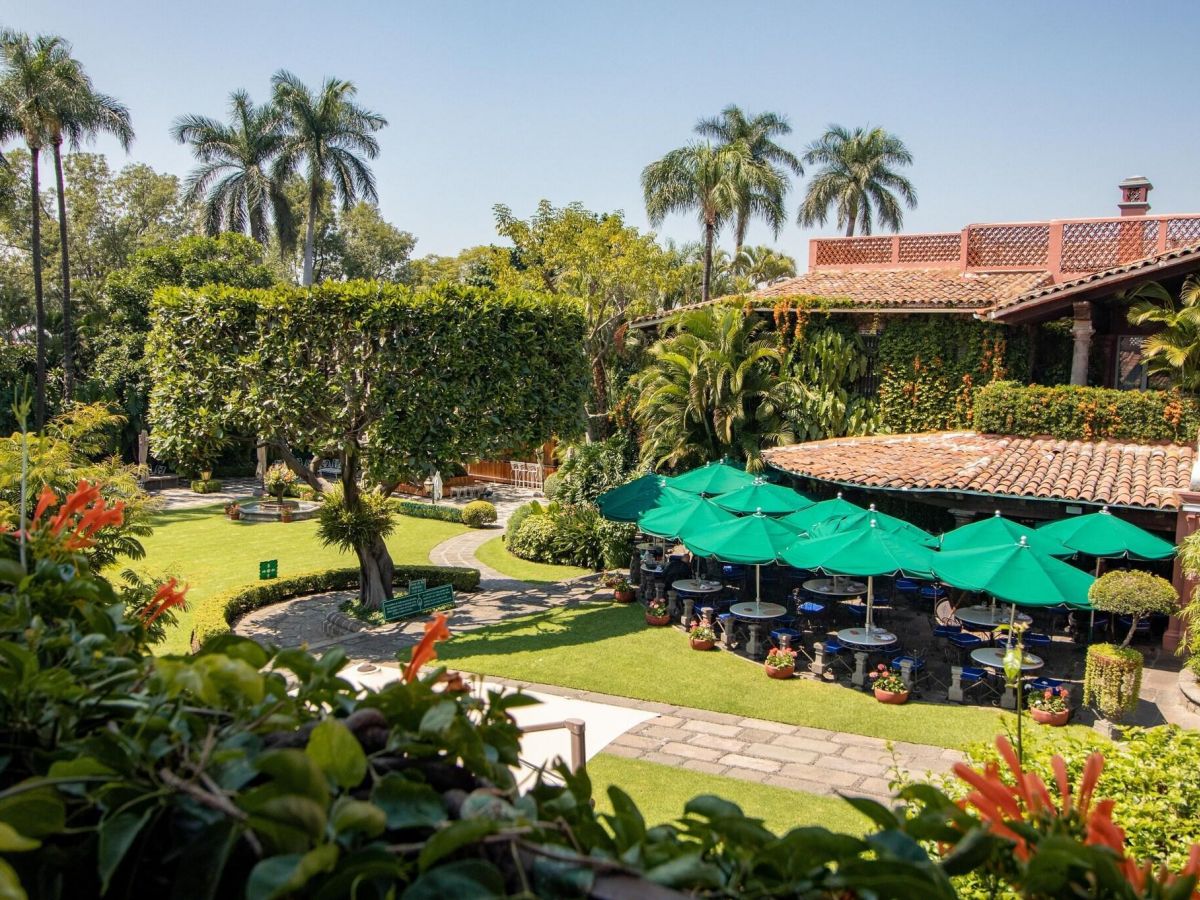
Las Mañanitas, a landmark restaurant in Cuernavaca, Mexico, founded in 1955.
Practical Spanish for eating out
“Una para aquí, una para llevar.” One to eat here, one to take away. You’ll use this often.
“Un cafecito” / “Un americano” A cafecito is a small coffee; ask for an americano if you prefer a larger black coffee.
“Con todo” With everything, usually including onion, cilantro and salsa. Say “sin chile” if you do not want chile.
“La cuenta, por favor.” The bill, please. In Mexico, the server will normally wait for you to ask for it.
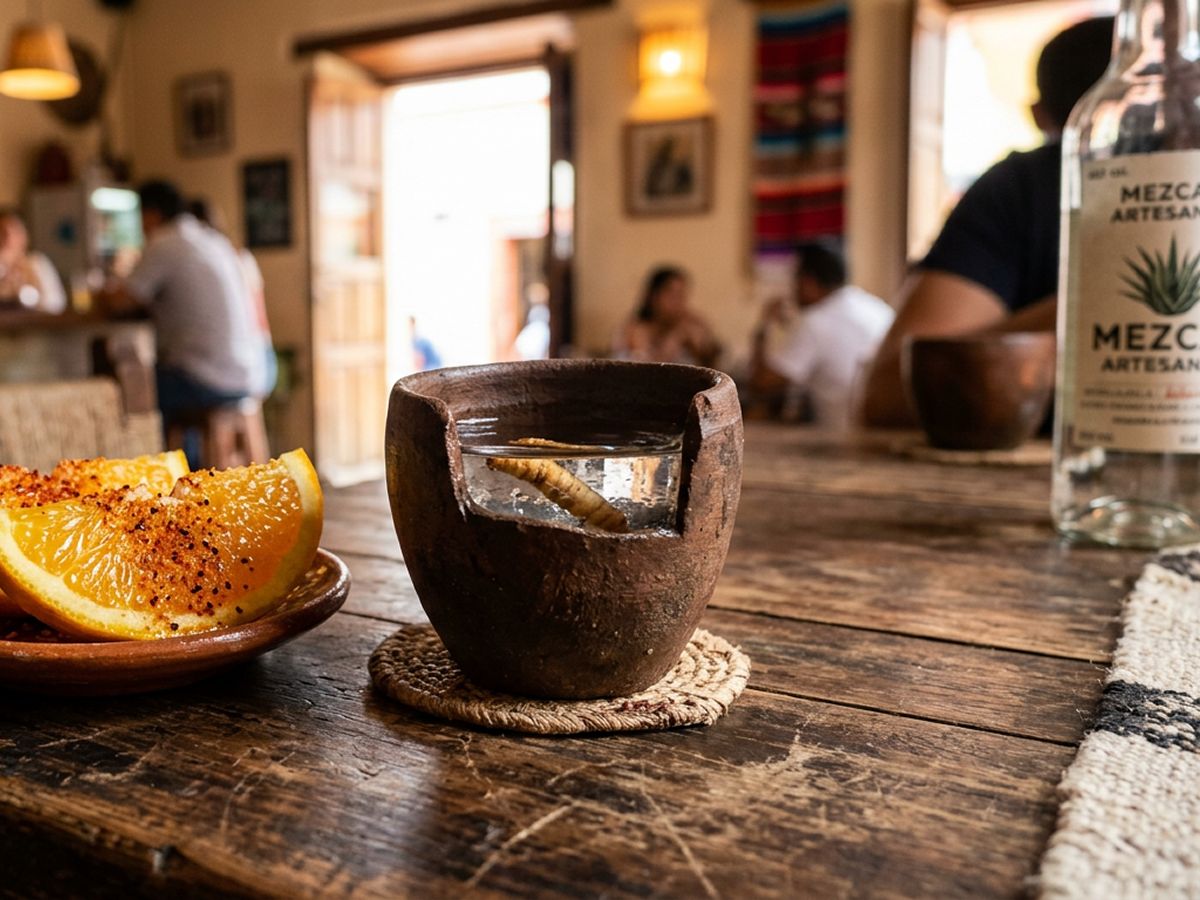
In 2025, 23 municipalities in Morelos were included in the protected Mezcal Denomination of Origin.
Coffee, mezcal and evenings
Cafés
Cuernavaca’s center has a strong café culture, with Veracruz-grown beans, good espresso and laptop-friendly tables during the morning. A cappuccino generally costs MXN 45–65.
Mezcal and cocktails
Oaxacan mezcal is widely available; look for mezcalerías offering tasting flights. Ask for it con gusano only if you are curious—it is certainly not obligatory.
Pulque
This ancient fermented agave drink is more difficult to find in Cuernavaca than in Mexico City, but it occasionally appears in traditional pulquerías. Sour, thick and distinctive, it is an acquired taste worth experiencing.
Aguas frescas
Fresh fruit waters are available everywhere. Popular flavors include jamaica (hibiscus), horchata (rice and cinnamon) and tamarindo. They generally cost MXN 15–25 and are the traditional non-alcoholic accompaniment to a comida.
Frequently asked questions
Is street food in Cuernavaca safe?
Choose busy stalls where food is cooked thoroughly and served hot. Avoid food that has been sitting at room temperature, use your judgment about cleanliness, and follow any dietary or medical precautions relevant to you.
What should I try in Cuernavaca?
Regional choices include cecina with cream and fresh cheese, mole verde de Morelos, quesadillas de flor de calabaza, weekend barbacoa with consomé, and bread from a traditional panadería. For a market meal, visit Mercado Adolfo López Mateos and look for a busy stall serving comida corrida.
How much should I budget for food in Cuernavaca?
Prices vary by location and can change. Street food and market meals generally cost less than full-service restaurants, while fine dining is priced higher. Check current menus before planning your budget.
Explore More
Continue planning your Spanish immersion and discover more about Cuernavaca and Morelos.
Cuernavaca & Morelos
Practical Information & Safety
Spanish Immersion in Cuernavaca

Ready to plan your Spanish immersion in Cuernavaca?
I’m Pedro, and I’ll personally take care of your inquiry.
No two learners are alike, so every Spanish immersion experience we create is designed specifically for you.
Complete the form below, and I’ll get right to work.