

Cuernavaca: History, Culture & Things to See and Do
Cuernavaca is not a pretty colonial town that grew into a city — it’s a city that grew around one of Mexico’s most storied colonial centers.
Its Nahuatl name, Cuauhnāhuac (“place near the trees”), was misheard by the Spanish as Cuernavaca (“cow horn”) — the first of many foreign impressions this city has collected.
Hernán Cortés built his palace here in 1526; emperors and movie stars kept a house; and today the “City of Eternal Spring” is a favorite of language learners, Mexico City weekenders and anyone who wants year-round 24°C days beneath flowering jacarandas.
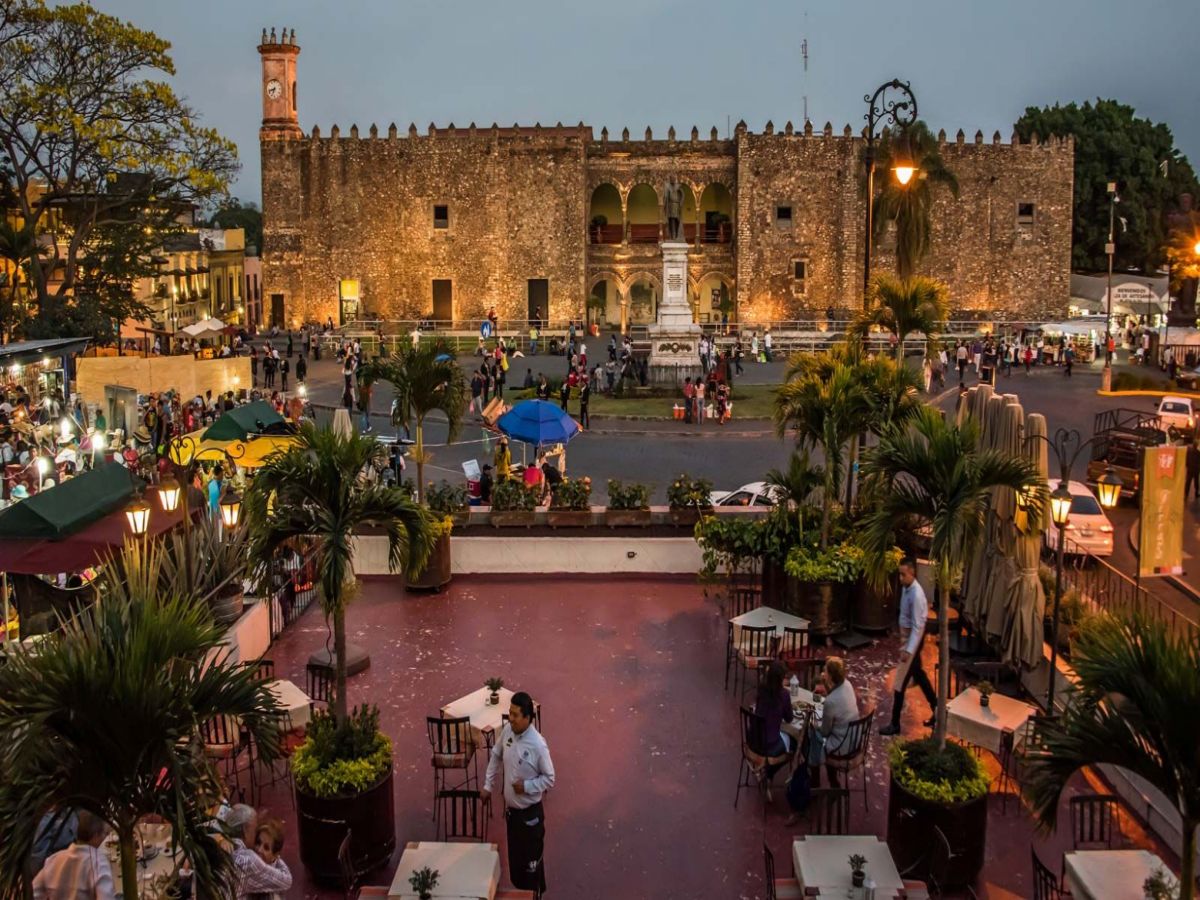
Palacio de Cortes, Cuernavaca, Mexico.
A short history of Cuernavaca
Before the Spanish: the Tlahuica capital
Long before Cortés, this valley was the seat of the Tlahuica people, related to the Aztecs, with a ceremonial center whose temple still survives inside the Palacio de Cortés. Cuauhnāhuac was conquered by the Aztec Triple Alliance in the 14th century and paid tribute in maize, textiles and timber — its forests gave the city its name.
Cortés and the colonial era (1521–1821)
After the fall of Tenochtitlan, Cortés claimed the valley as his personal fiefdom — the only encomienda in New Spain ever held directly by a conquistador this way. He built the Palacio de Cortés (1526–1535), the oldest surviving colonial civil building in Mexico, now the excellent Museo Regional de Cuauhnáhuac. Sugar cane and silver transformed the valley; the Catedral de la Asunción (1529) grew from the Franciscan monastery where Friar Toribio de Benavente (“Motolinía”) documented early colonial life. In 1716 the city survived a full eruption — of the Popocatépetl region’s earthquakes and epidemics — and its haciendas kept growing.
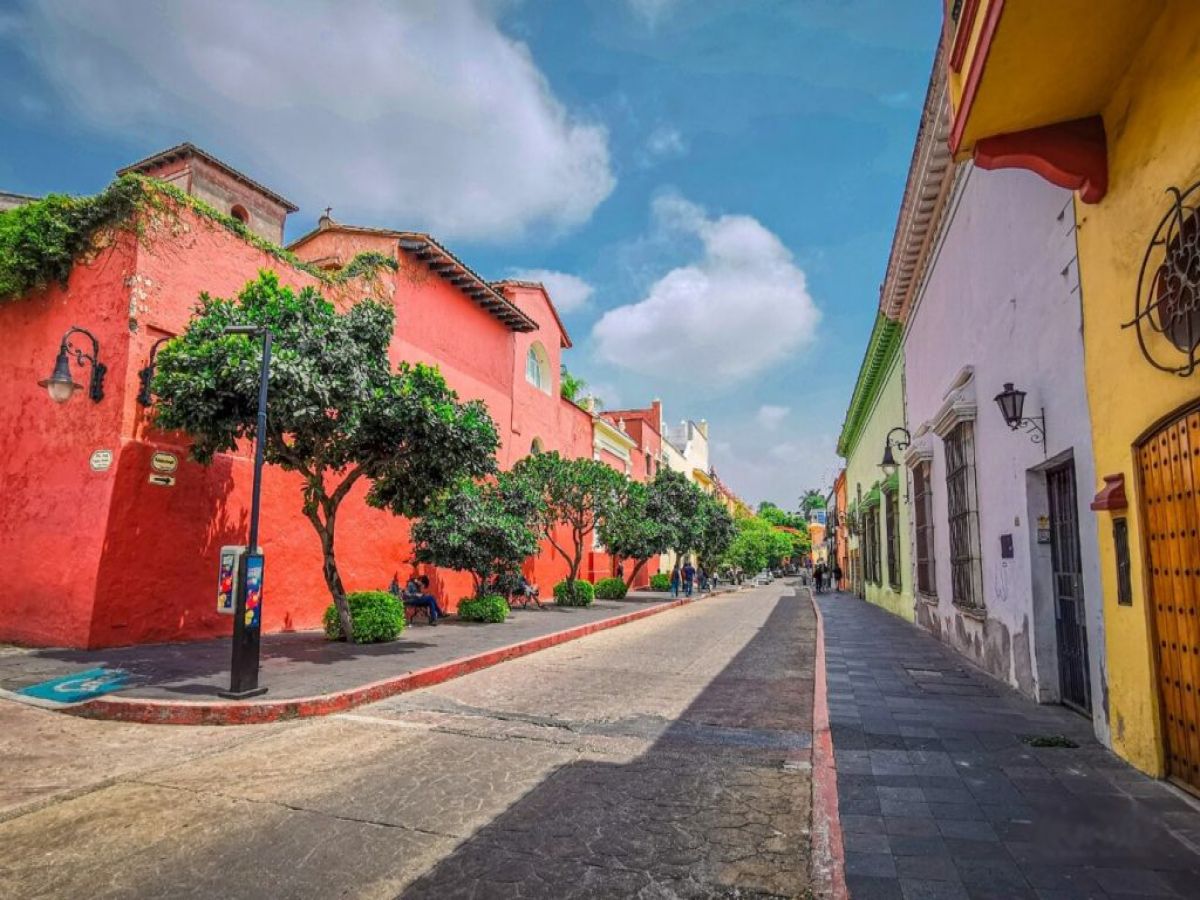
The colorful streets of Cuernavaca, Morelos
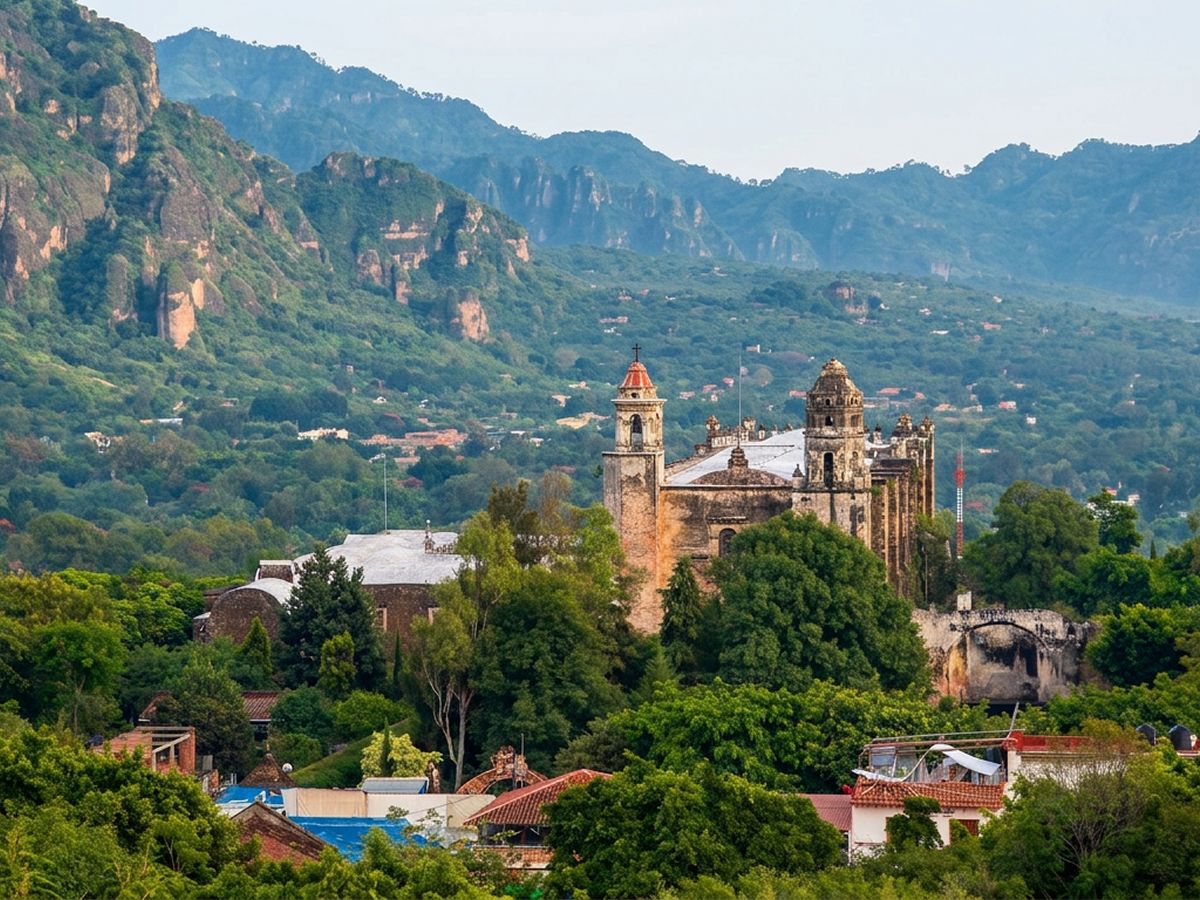
Tepoztlán is a mystical valley town just 30 minutes away from Cuernavaca.
The 19th century: emperors, presidents and the Eiffel touch
Cuernavaca became a summer capital. Emperor Maximilian and Empress Carlota had a residence (now the Borda Garden grounds); Benito Juárez and Porfirio Díaz both governed from here at times. In 1864 the French-influenced Jardín Borda hosted Maximilian’s court; the 19th century also brought railways, the first paved road to Mexico City, and a lasting identity as the capital’s escape hatch.
The 20th century: writers, revolutions and Spanish exiles
The Mexican Revolution passed through — Emiliano Zapata’s homeland is neighboring Morelos soil, and his memory runs deep here. After the Spanish Civil War, Cuernavaca’s climate and anonymity attracted artists and exiles. Malcolm Lowry wrote under its shadow (the Under the Volcano landscapes are all around Cuernavaca); Iván Illich founded his radical CIDOC language and research center here in 1961, drawing intellectuals from across the world — and quietly seeding Cuernavaca’s future as the Spanish-language capital of the Americas. The Brontë myth — that Charlotte and Emily visited — is a charming local legend, not history, but the city’s literary aura is real.
Things to see and do in Cuernavaca
1. Palacio de Cortés & Museo Regional de Cuauhnáhuac
The city’s landmark — the 16th-century palace standing over its original Tlahuica temple stones, with murals by Diego Rivera depicting conquest history in the upper gallery. The regional museum gives you the whole valley’s story in two hours. Walk the arcaded terrace for the best view of the Zócalo.
2. Catedral de la Asunción & the ex-monastery
One of Mexico’s oldest cathedrals, its 16th-century atrium and open chapel still intact. The adjacent old monastery houses a small religious art museum; the atrium cross is one of the era’s finest.
3. Jardín Borda
Maximilian’s summer gardens — fountains, topiary, and an on-site museum on the Second Empire. Come on a weekday afternoon when the light is best and the crowds are thinnest.
4. The Zócalo & the historic center
Cuernavaca’s main square is framed by the cathedral, cafés and the municipal palace. Weekend evenings bring live music and the whole city out for an paseo — the perfect place to overhear real Mexican Spanish.
5. Museo Robert Brady
The artist Robert Brady’s house, turned museum — a vivid, eccentric collection of art, textiles and Mexican folk pieces inside a colonial building next to the cathedral. A favorite of every visitor; small enough to fit into an afternoon.
6. La Tallera & Taller Siqueiros
The former workshop of muralist David Alfaro Siqueiros, now a contemporary art center in the Colonia Nueva district — murals, rotating exhibitions and a genuinely local art scene.
7. Parque Ecológico Chapultepec & the city parks
Cuernavaca’s green heart — gardens, playgrounds and weekend food stalls. Combine your visit with the Mercado Adolfo López Mateos for regional food stalls.
8. Day trips from Cuernavaca
Taxco (1.5 hours): silver-mining town of white houses and one of Mexico’s most beautiful colonial centers.
Tepoztlán (40 minutes): mystical valley town, pyramid hike up Tepozteco, weekend market and tlayudas.
Xochicalco (1 hour): one of Mexico’s finest pre-Hispanic sites — a UNESCO World Heritage hilltop city with an astronomic observatory, rarely crowded.
Las Estacas (1 hour): a natural spring-water river park — the clearest swimming water in Mexico.
Popocatépetl viewpoints: on clear days the two volcanoes frame the valley’s horizon.
Festivals and events
Carnival (February–March): Morelos’ biggest pre-Lent celebration — parades, brass bands, and the whole downtown in costume.
Feria de la Primavera (Easter week): Cuernavaca’s spring fair — rides, concerts, food stalls on the fairgrounds
Semana Santa: the cathedral’s processions are among central Mexico’s most atmospheric.
Día de Muertos (Nov 1–2): the cemetery and markets fill with marigolds, pan de muerto and ofrendas — intimate and authentic here.
Feria Tlanelhuayó (Nov): Cuernavaca’s own gastronomy and culture fair.
Culture: what makes Cuernavaca feel the way it does
The capital’s playground
For two centuries, wealthy Mexico City families have kept weekend houses in the valley — that’s why Cuernavaca has world-class restaurants and a leisure culture that doesn’t feel “tourist.”
Spanish school town
The climate shapes everything. Eternal spring means outdoor living — gardens, terraces, evening walks along Avenida Morelos. Life happens outdoors; your classes may too.
Flavors of Morelos
cazuelas (clay-pot stews), fresh cecina, the local mole verde, and the region’s famous huauzontle. The valley’s fruit — avocados, zapote, mamey — sells cheap at the Mercadito.
Local words
“chucho” (dog), “luego luego” (right away), and the Morelos habit of calling everyone “jefe” or “jefa.”

Averanda. A modern mall with an attached apartment complex.
Explore More
Continue planning your Spanish immersion and discover more about Cuernavaca and Morelos.
Practical Information & Safety
Eating Out in Cuernavaca
Spanish Immersion in Cuernavaca

Ready to plan your Spanish immersion in Cuernavaca?
I’m Pedro, and I’ll personally take care of your inquiry.
No two learners are alike, so every Spanish immersion experience we create is designed specifically for you.
Complete the form below, and I’ll get right to work.
Frequently asked questions
Why is Cuernavaca called the City of Eternal Spring?
Cuernavaca’s elevation and temperate climate support mild weather and flowering gardens throughout much of the year, inspiring its “City of Eternal Spring” nickname.
Is Cuernavaca worth visiting beyond Spanish school?
Yes. Cuernavaca combines museums, historic buildings, gardens and regional food with day-trip options including Taxco, Tepoztlán and Xochicalco.
How far is Cuernavaca from Mexico City?
Cuernavaca is approximately 85 km from Mexico City. Travel time varies with traffic and the departure point. Bus and private-transfer options are available.