

Madrid: History, Culture & Things to See and Do
Madrid is Spain’s capital and largest city: a place where royal history, world-class art, neighborhood life and contemporary culture meet.
From its origins as the fortified settlement of Mayrit to its transformation into the seat of the Spanish court, Madrid developed around palaces, plazas, markets and institutions that shaped the country’s political and cultural life.
Today, Madrid combines monumental avenues and major museums with traditional taverns, energetic neighborhoods, extensive parks and easy access to some of central Spain’s most important historic cities.
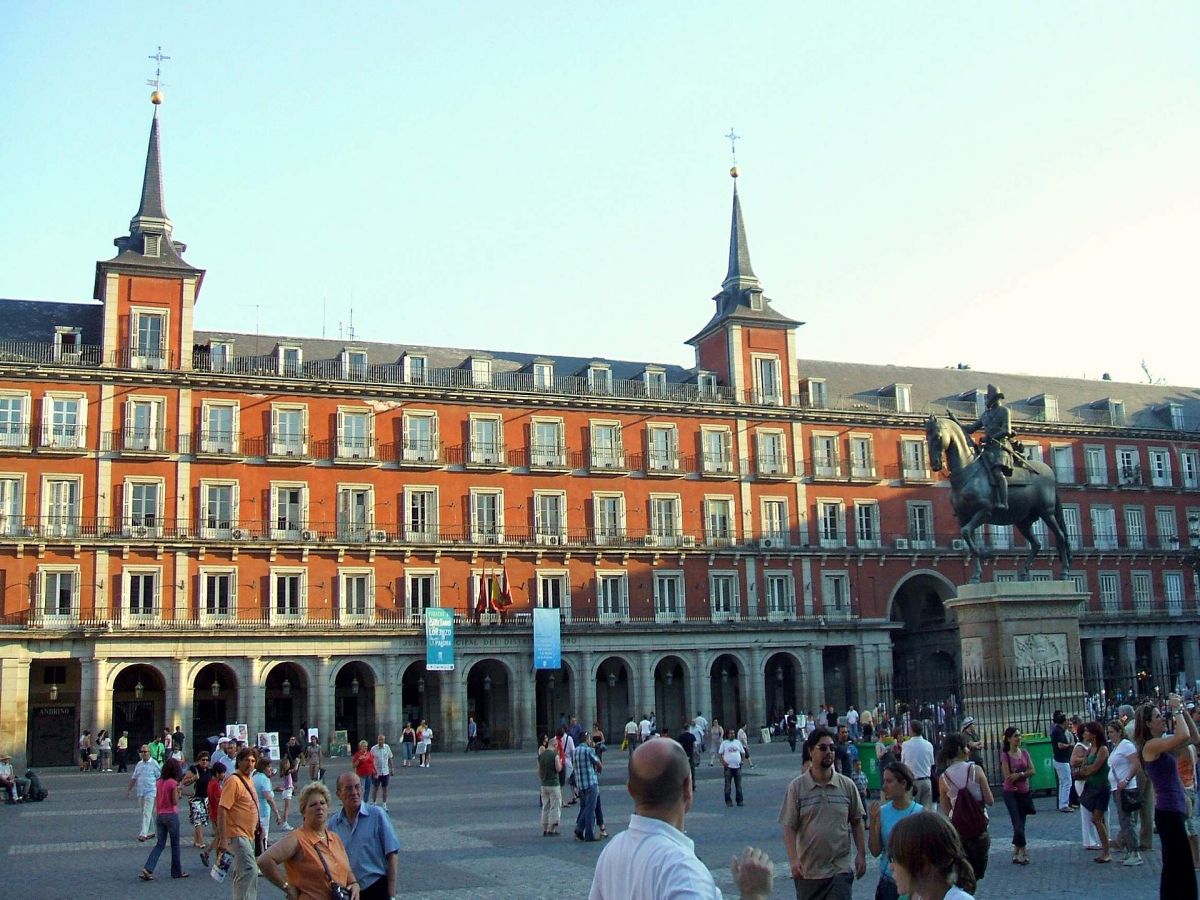
Plaza Mayor in Madrid’s historic center.
A Short History of Madrid
From Mayrit to medieval Madrid
Madrid’s recorded urban history is closely connected with the Muslim fortress of Mayrit, established in the ninth century to help protect the approaches to Toledo. After Alfonso VI took the settlement in 1085, Madrid developed as a Christian town whose medieval street pattern remains visible around La Latina and Madrid de los Austrias.
Madrid becomes the capital
Philip II established his court in Madrid in 1561. The city expanded around the royal household and became the political center of the Spanish monarchy. Plaza Mayor, convents, churches and the narrow streets of Habsburg Madrid preserve the atmosphere of this period.
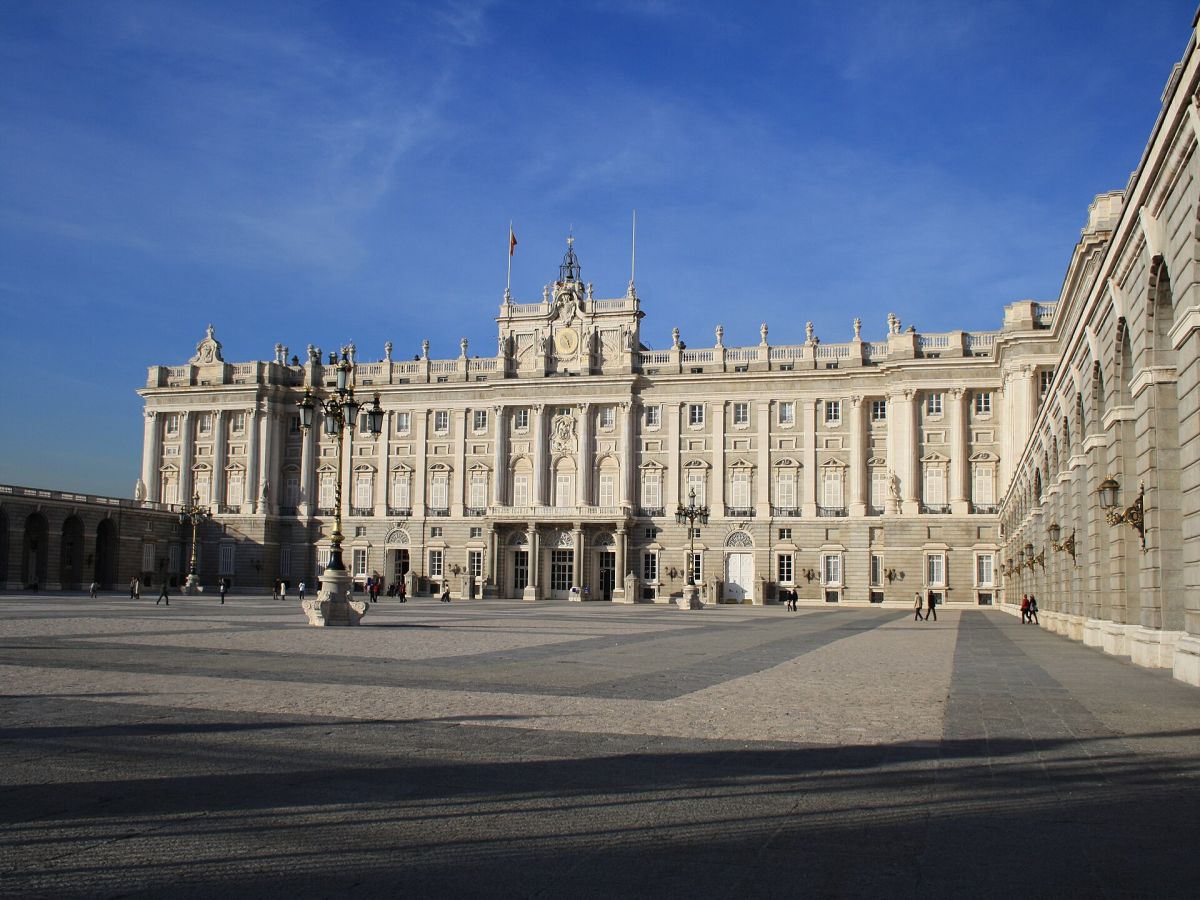
The Royal Palace reflects Madrid’s long connection with the Spanish monarchy.
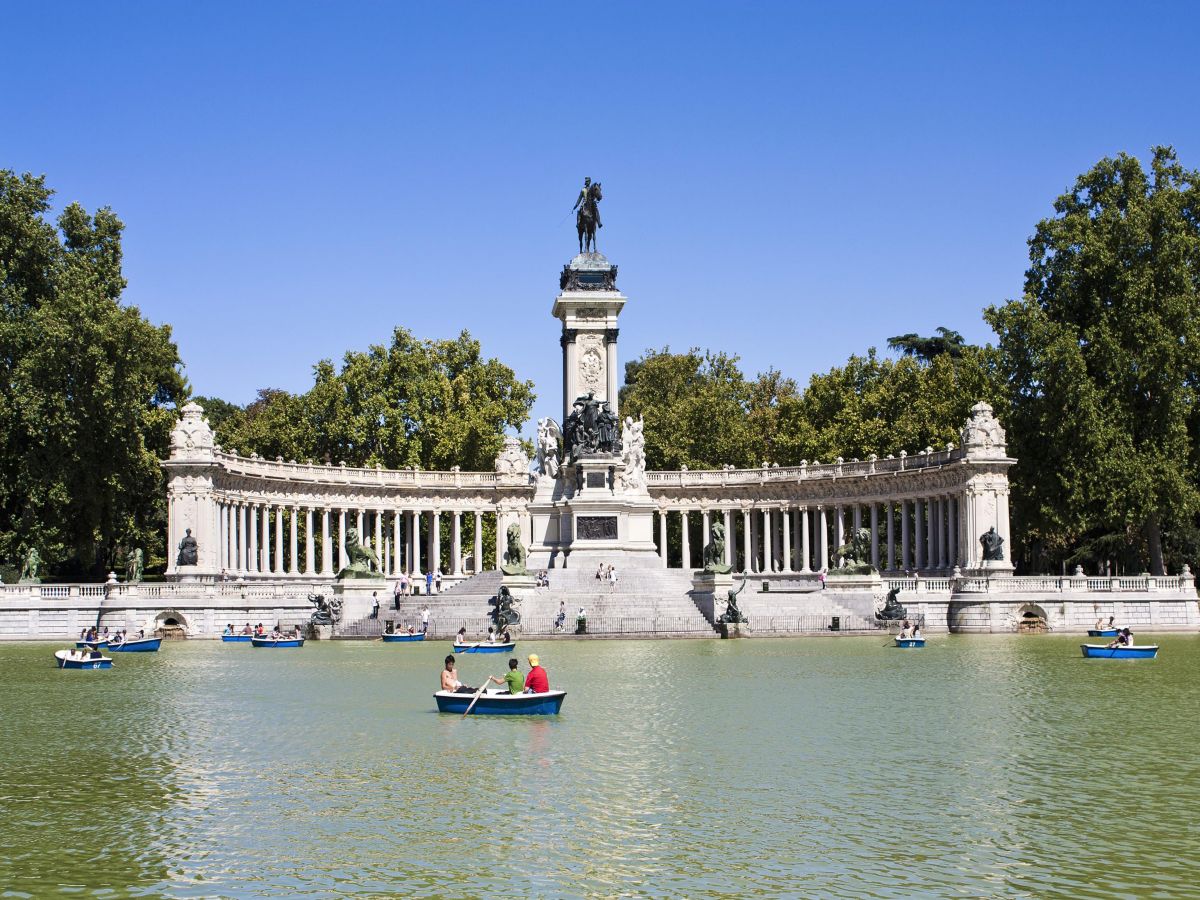
El Retiro forms part of Madrid’s UNESCO-listed landscape of arts and sciences.
The Bourbon transformation
During the 18th century, the Bourbon monarchs reshaped Madrid with new avenues, gates, fountains and institutions devoted to science and culture. The Prado promenade, Puerta de Alcalá and Royal Botanical Garden reflect this ambition to create a modern European capital.
From the 19th century to contemporary Madrid
Madrid expanded rapidly during the 19th and 20th centuries, endured the Spanish Civil War and later became a central stage in Spain’s transition to democracy. New cultural institutions, transport links and diverse neighborhoods have made it one of Europe’s most dynamic capitals.
Things to See and Do in Madrid
1. Royal Palace & Almudena Cathedral
Begin at the monumental western edge of the historic center. The Royal Palace presents centuries of court history, while the cathedral and nearby viewpoints open toward the Casa de Campo and the Sierra de Guadarrama.
2. Plaza Mayor & Madrid de los Austrias
Explore Plaza Mayor and the surrounding streets of Habsburg Madrid. Arcaded squares, historic taverns, churches and small plazas reveal the compact city that developed around the royal court.
3. Museo Nacional del Prado
The Prado holds one of the world’s great collections of European art, with exceptional works by Velázquez, Goya, El Greco, Rubens, Titian and Bosch. Advance planning helps you focus on the galleries most relevant to your interests.
4. El Retiro & Paseo del Prado
Walk through El Retiro Park, visit the Crystal Palace and continue along the Paseo del Prado. Together with surrounding scientific and cultural institutions, this landscape forms a UNESCO World Heritage site.
5. Reina Sofía & Thyssen-Bornemisza museums
The Reina Sofía focuses on modern and contemporary art and is home to Picasso’s Guernica. The Thyssen-Bornemisza complements the Prado with works spanning European and international art history.
6. Gran Vía and Madrid’s neighborhoods
Walk Gran Vía for landmark architecture and theaters, then explore neighborhoods such as Malasaña, Chueca, Chamberí, Lavapiés and La Latina. Each offers a different view of contemporary Madrid.
7. Markets, taverns and food culture
Traditional markets and neighborhood taverns introduce Madrid through conversation and food. Look for dishes such as cocido madrileño, callos, bocadillo de calamares and churros with hot chocolate.
8. Day Trips from Madrid
Toledo: explore a historic city shaped by Christian, Jewish and Muslim traditions.
Segovia: visit the Roman aqueduct, cathedral and Alcázar.
San Lorenzo de El Escorial: discover the vast royal monastery and its collections.
Alcalá de Henares: visit the birthplace of Miguel de Cervantes and one of Spain’s historic university cities.
Festivals and events
San Isidro: Madrid celebrates its patron saint in May with concerts, traditional dress, dancing and events centered around the Pradera de San Isidro.
Dos de Mayo: events around May 2 commemorate the 1808 uprising, with particular activity in central neighborhoods such as Malasaña.
Madrid Pride: the city’s major LGBTQ+ celebration brings concerts, cultural programming and a large parade, particularly around Chueca and central Madrid.
Veranos de la Villa: summer programming brings music, theater, dance and outdoor performances to venues across the city.
Christmas and Three Kings: seasonal lights, markets and the January 5 Cabalgata de Reyes bring families into central streets and plazas.
Culture: What Makes Madrid Feel the Way It Does
An international capital with neighborhood life
Madrid is a large international city, but daily life remains strongly connected to individual neighborhoods. Markets, cafés, plazas and local shops give each district its own rhythm and identity.
Art as part of everyday life
The Prado, Reina Sofía and Thyssen-Bornemisza form the best-known museum route, but smaller museums, galleries, theaters and cultural centers extend throughout the city.
Food, conversation and late evenings
Meals often begin later than many visitors expect. Tapas, traditional taverns, neighborhood markets and long conversations at the table are central to Madrid’s social life.
Spanish from across the country
Madrid brings together speakers from every region of Spain and from across the Spanish-speaking world. This variety offers language learners valuable exposure to different accents, vocabulary and communication styles.
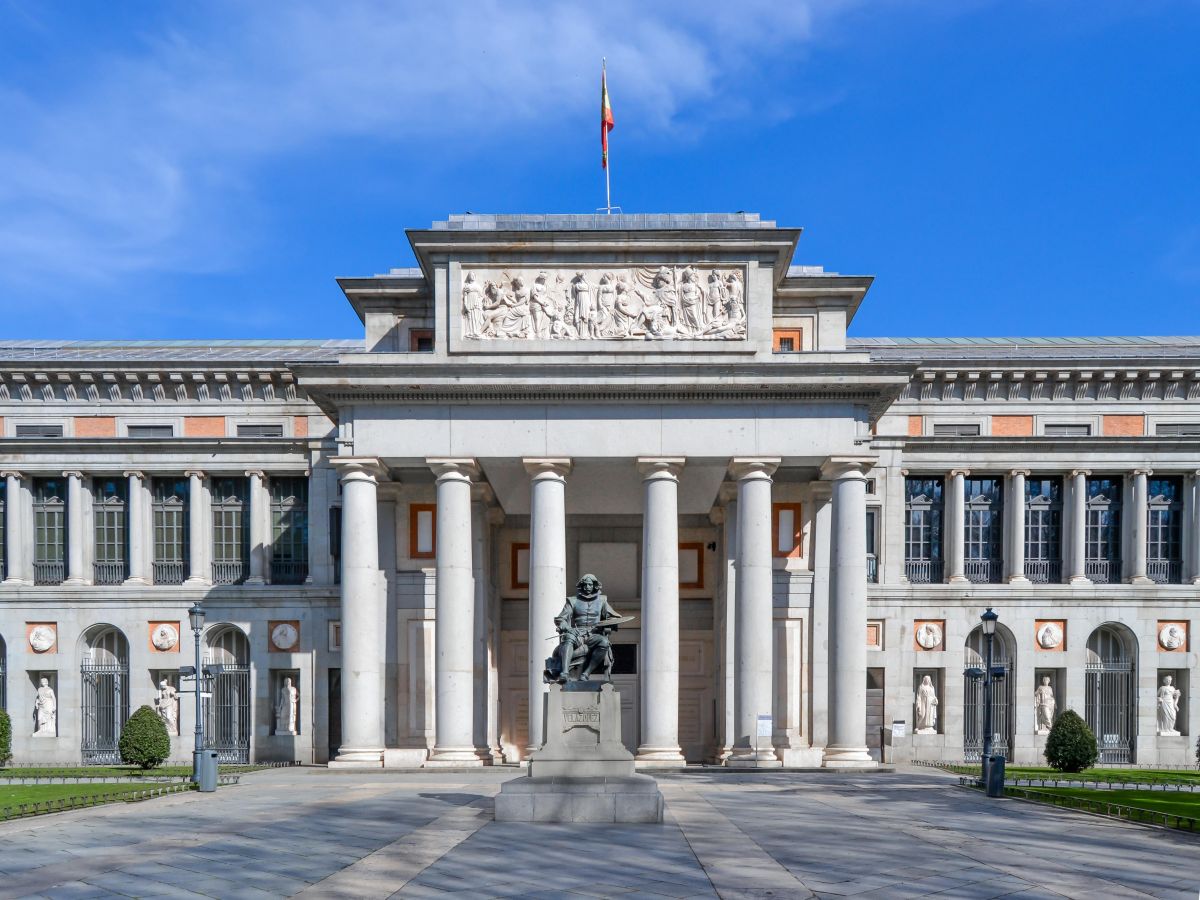
Madrid’s museums and cultural institutions make art part of everyday city life.
Explore More
Continue planning your Spanish immersion and discover more about Madrid and Spain.
Practical Information & Safety
Official Madrid Travel Guide
Paseo del Prado & Buen Retiro
Spanish Programs in Spain

Ready to include Madrid in your Spanish immersion in Spain?
I’m Pedro, and I’ll personally take care of your inquiry.
No two learners are alike, so every Spanish immersion experience we create is designed specifically for you.
Complete the form, and I’ll get right to work. You can also reach me directly by email or WhatsApp.
Frequently asked questions
Why is Madrid’s Paseo del Prado and Buen Retiro a UNESCO World Heritage Site?
UNESCO recognizes this cultural landscape for the relationship between the tree-lined Paseo del Prado, El Retiro, the Royal Botanical Garden and institutions devoted to arts, science, education and public life.
Is Madrid worth visiting during a Spanish immersion in Spain?
Yes. Madrid combines major museums, royal and modern history, varied neighborhoods, traditional food and excellent transport connections, making it a valuable cultural addition to a Spanish immersion in Sevilla.
How can I travel between Madrid and Sevilla?
High-speed trains connect Madrid and Sevilla city center to city center. Flights and long-distance buses are also available, but the train is usually the most practical option. Check current schedules and departure stations before travelling.