

Studying Spanish in Peru: Practical Information & Safety Tips
Peru stretches from the Pacific coast across the Andes to the Amazon rainforest. Climate, travel times and everyday routines can change considerably between regions.
This guide covers the practical questions that apply across Peru, from money and mobile service to health, transport and local customs. Use it alongside current advice for the specific places on your itinerary.
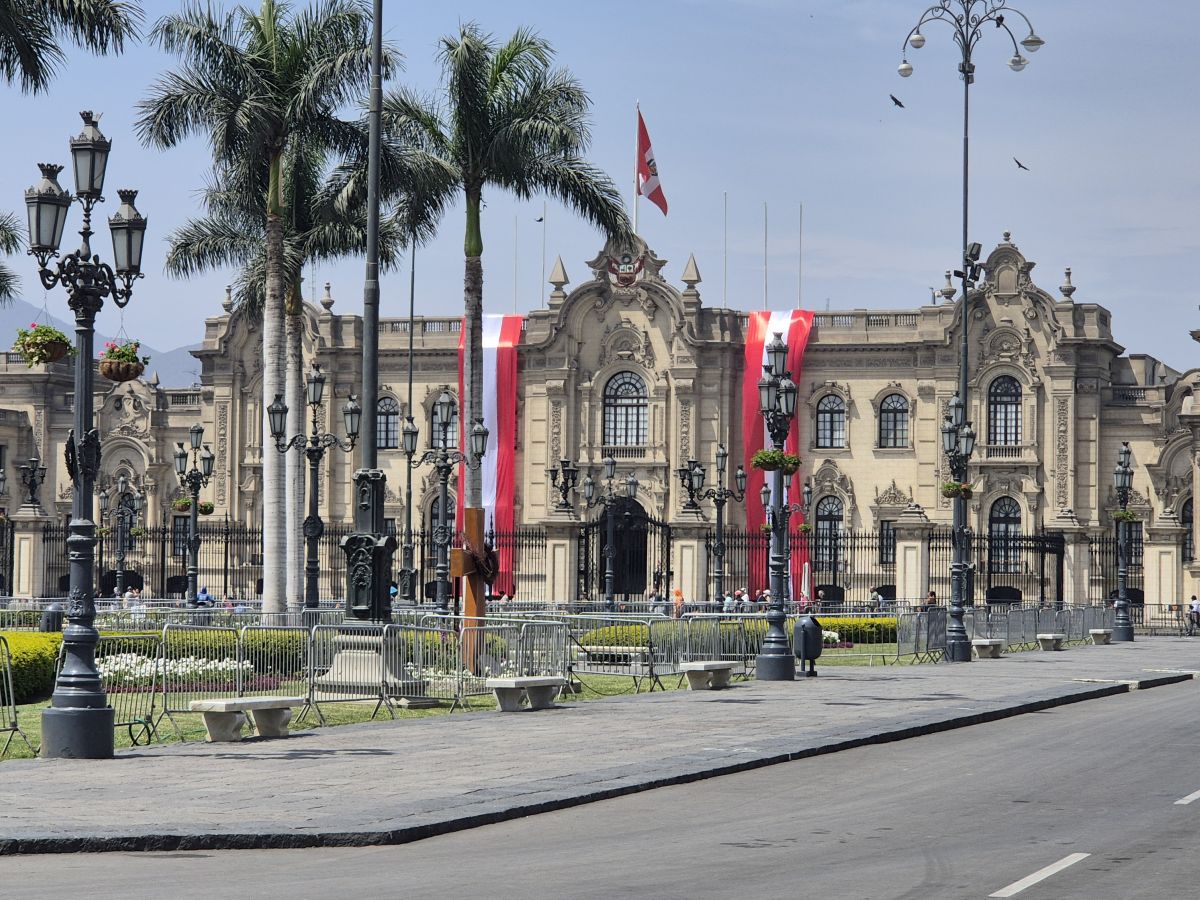
Staying safe in Peru
Conditions differ between coastal cities, Andean towns, rainforest destinations and travel routes. Petty theft can occur in crowded markets, bus stations and tourist districts; demonstrations or road disruptions can also affect travel plans. Ask your local host about the routes you plan to take.
Practical safety tips
Choose trusted transport. Arrange airport pickup in advance or use an authorized taxi desk. Ask your host about reliable local transport and confirm the fare before setting off.
Keep valuables close. Keep your phone and bag away from the street edge and be especially attentive in crowds. Store spare cards and your passport securely.
Plan excursions. Use established guides for mountain walks and archaeological sites. Confirm weather, transport and return times before departure.
Know your destination’s conditions. Highland itineraries may require acclimatization, while rainforest travel may call for different health precautions. Check with a qualified clinician before departure.
Leave room in the itinerary. Delays can occur during heavy rain, strikes or road closures. Avoid scheduling a tightly timed international connection after an overland excursion.
Save important contacts. Keep your accommodation address, local host’s number, insurer’s assistance line and relevant emergency contacts available offline.
Phone, internet and staying connected
Check your roaming plan before departure. A local prepaid SIM or travel eSIM may cost less; confirm your phone is unlocked, how activation works and whether coverage reaches the places you plan to visit. Signal can be limited on mountain routes.
Wi-Fi is common in hotels and cafés in larger towns, though speeds and coverage vary by region. Download offline maps, tickets and your accommodation details. WhatsApp is useful for arranging plans with local contacts.
Money: soles, cards and ATMs
Peru’s currency is the sol (PEN). Outside big cities, cash is king and useful for markets, small purchases, tips and some local transport. US dollars are accepted in some tourist areas, but change is usually given in soles.
ATMs:
Use machines inside banks or supervised premises. Review withdrawal fees and limits on screen and keep your card secure.
Currency conversion:
If a terminal offers to charge in your home currency, compare the displayed rate with your bank’s rate before choosing.
Cash exchange:
Use a reputable exchange office or bank, check the rate first and count your money before leaving the counter.
Tipping:
Check whether service is already included. Tips are appreciated for good service, but practices vary by venue and activity.
Planning expenses:
Budget separately for meals outside your program, taxis, site admission and excursions. Costs vary widely with your plans; check current prices before travel.
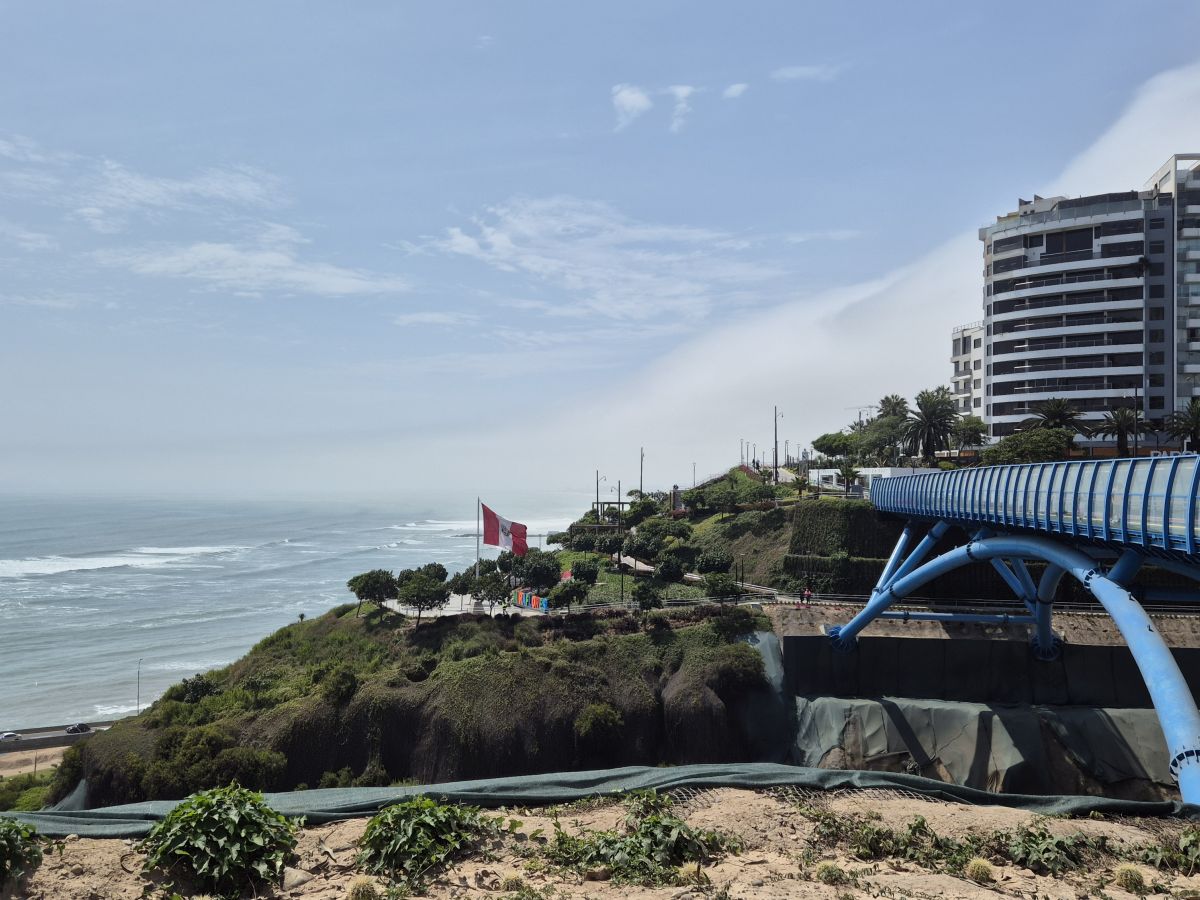
Peru’s Pacific coast offers a different setting from the highlands.
Water, food and health
Drink bottled, boiled or properly filtered water rather than untreated tap water. Ask your host about drinking water at your accommodation. Choose food that is freshly prepared and served hot, and wash or peel fruit yourself where practical.
Bring regular medications in original labeled packaging and keep a copy of your prescription. Before travel, consult a qualified clinician about your itinerary, vaccinations and any personal health concerns, especially if visiting lower-altitude rainforest areas.
Highlands: Many Andean destinations are high enough to cause altitude illness, even in fit travelers. Discuss your itinerary with a clinician, allow time to acclimatize, take early days gently and seek medical care if symptoms become severe or worsen.
Rainforest and coast: Health considerations differ by region and activity. Ask a travel clinician about recommended vaccinations, insect-bite prevention and any precautions relevant to your route. Make sure insurance covers your planned activities.
Electricity and plugs
Peru’s electrical supply is generally 220V at 60Hz. Socket styles vary; type A and type C are common. Check with your accommodation and bring a suitable adapter.
Check the label: Chargers marked “100–240V, 50/60Hz” usually need only a plug adapter. A device designed solely for 110–120V needs a suitable voltage converter.
Pack a power bank: It helps on long transfers and excursions. Confirm airline rules before putting one in your luggage.
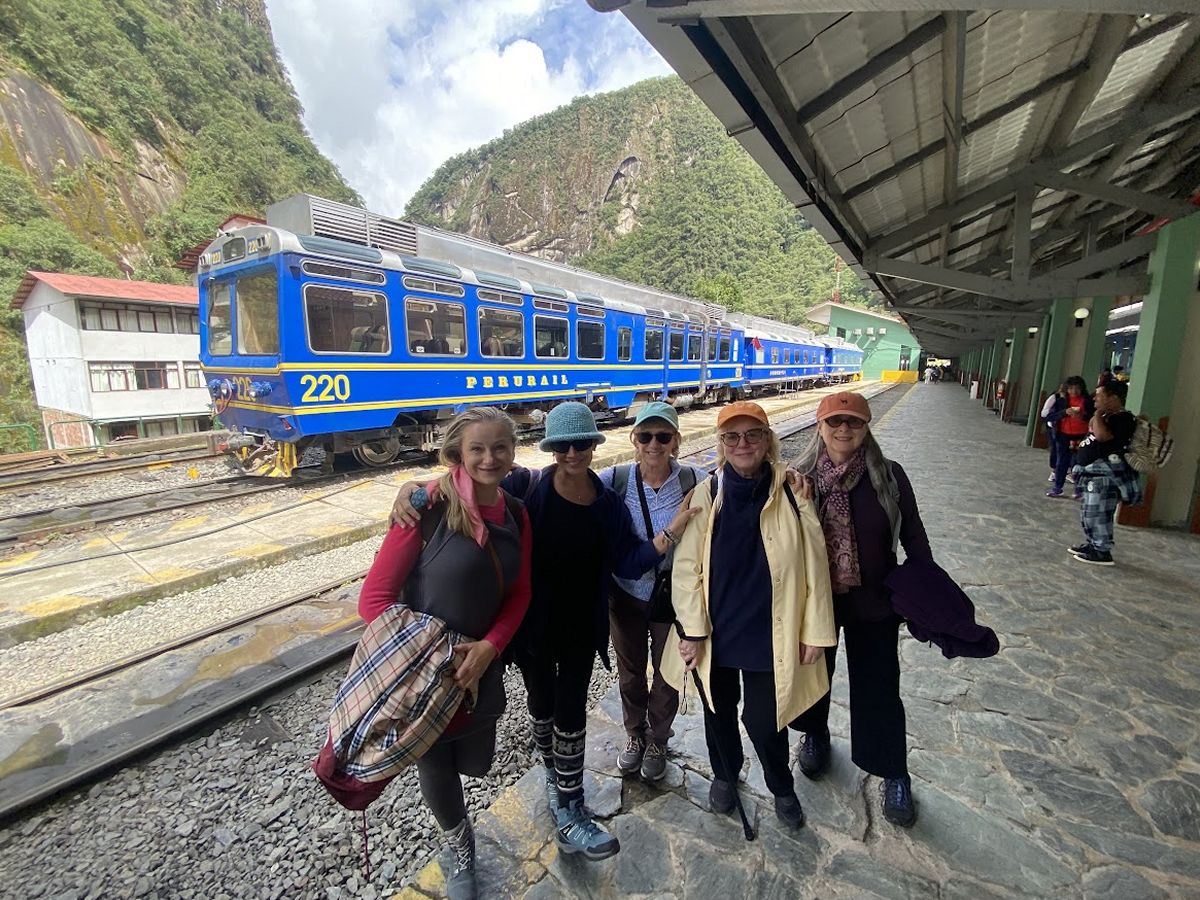
Plan extra time for journeys between Peru’s distinct regions. Our students and instructors on their way to Machu Picchu
Getting around
Lima is a common international gateway. Because Peru is large and the terrain varies, domestic flights or long-distance buses may be more practical than driving between distant regions. Check schedules and leave room for delays.
Within cities:
Transport options differ by city. Ask your accommodation about reputable taxi or app-based services, and check whether walking routes are appropriate at the time you plan to travel.
Airport arrivals:
Confirm pickup details before flying. At the airport, choose an authorized taxi or an arranged transfer and verify the destination and fare.
Between regions:
Established bus operators serve many routes, while flights connect major cities. Consider journey length, road conditions and the possibility of weather-related changes.
Excursions:
Remote sites may need advance reservations and local guides. Confirm entry rules, transport arrangements and weather conditions with official operators shortly before travel.
Weather: when to come
Peru’s coast, mountains and rainforest have different seasonal patterns. Check a destination forecast rather than relying on one countrywide forecast.
Andean highlands
May to September is generally drier, with sunny days and cold nights. Roughly November to March is wetter; rain can affect walks and road travel. Bring layers and rain protection year-round.
Pacific coast
Coastal conditions are different: Lima is typically warmer and sunnier in its summer months (winter in the northern hemisphere!) and cooler, cloudier and more humid in its winter months.
Amazon lowlands
Expect heat and humidity, with rain possible throughout the year. Check current forecasts and health guidance before adding a rainforest excursion.
Culture and courtesy
Start with a greeting
A friendly “buenos días” or “buenas tardes” before a question is appreciated in shops and everyday encounters.
Ask before taking photos
Request permission before photographing people, especially in markets and smaller communities, and respect any posted rules at historic sites.
Respect living traditions
Peru is home to many living cultural traditions and Indigenous languages, including Quechua and Aymara. Follow local guidance and respect community rules when visiting.
Mind the pace
Allow time for greetings and conversation, while arriving punctually for classes, guided visits and transport bookings.
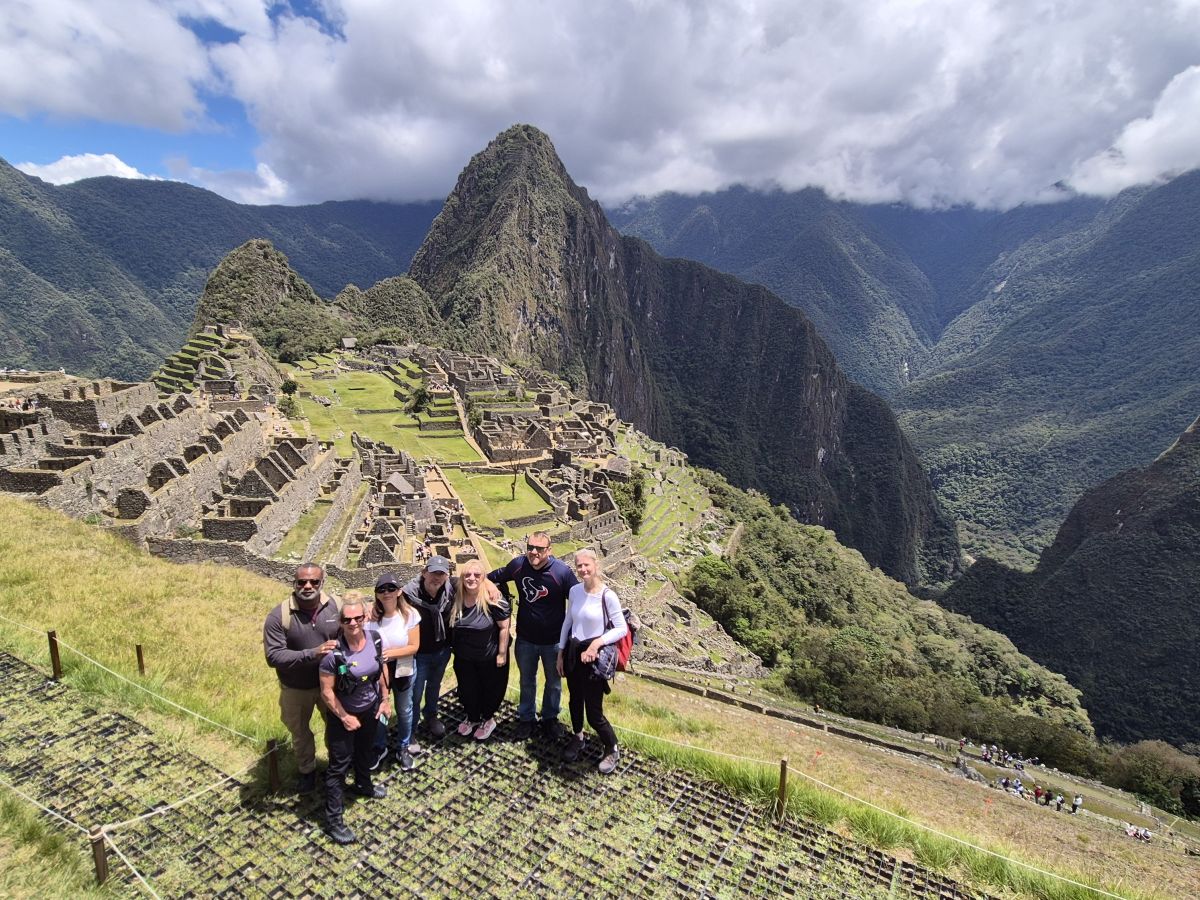
Spanish Luxury Immersion: Our students and instructors at Machu Picchu.
Frequently asked questions
Will altitude affect me in Peru?
It may affect you in highland destinations, even if you are physically fit. Check the elevation of each stop, build in time to adjust and ask a clinician about prevention if you have medical concerns.
Can I drink tap water in Peru?
Visitors should use bottled, boiled or properly filtered drinking water. Ask your accommodation what water is provided and follow local food hygiene advice.
How should I plan travel between regions?
Compare domestic flights and established intercity buses, allow time for transfers and book essential connections in advance. Distances and mountain roads can make overland travel longer than expected.
Should I buy travel insurance?
Choose insurance that covers your health needs, planned activities, medical treatment and evacuation. Carry the policy details and assistance number offline.
Explore More
Continue planning your Spanish immersion and discover more of Peru.
Spanish immersion in Peru
Cusco and Machu Picchu
The Peru program
Our destinations

Ready to plan your Spanish immersion in Peru?
I’m Pedro, and I’ll personally take care of your inquiry.
No two learners are alike, so every Spanish immersion experience we create is designed specifically for you.
Complete the form, and I’ll get right to work. You can also reach me directly by email or WhatsApp.