
In Cusco, Inca stonework and colonial buildings meet on the same streets. The city was the capital of the Inca Empire, and its historic center is now a UNESCO World Heritage site.
Look beyond the famous route to Machu Picchu. Plazas, markets, neighborhood workshops and living Andean traditions give you reasons to stay, listen and practice Spanish between classes.
This guide introduces the history behind the city and places worth exploring at a comfortable pace.
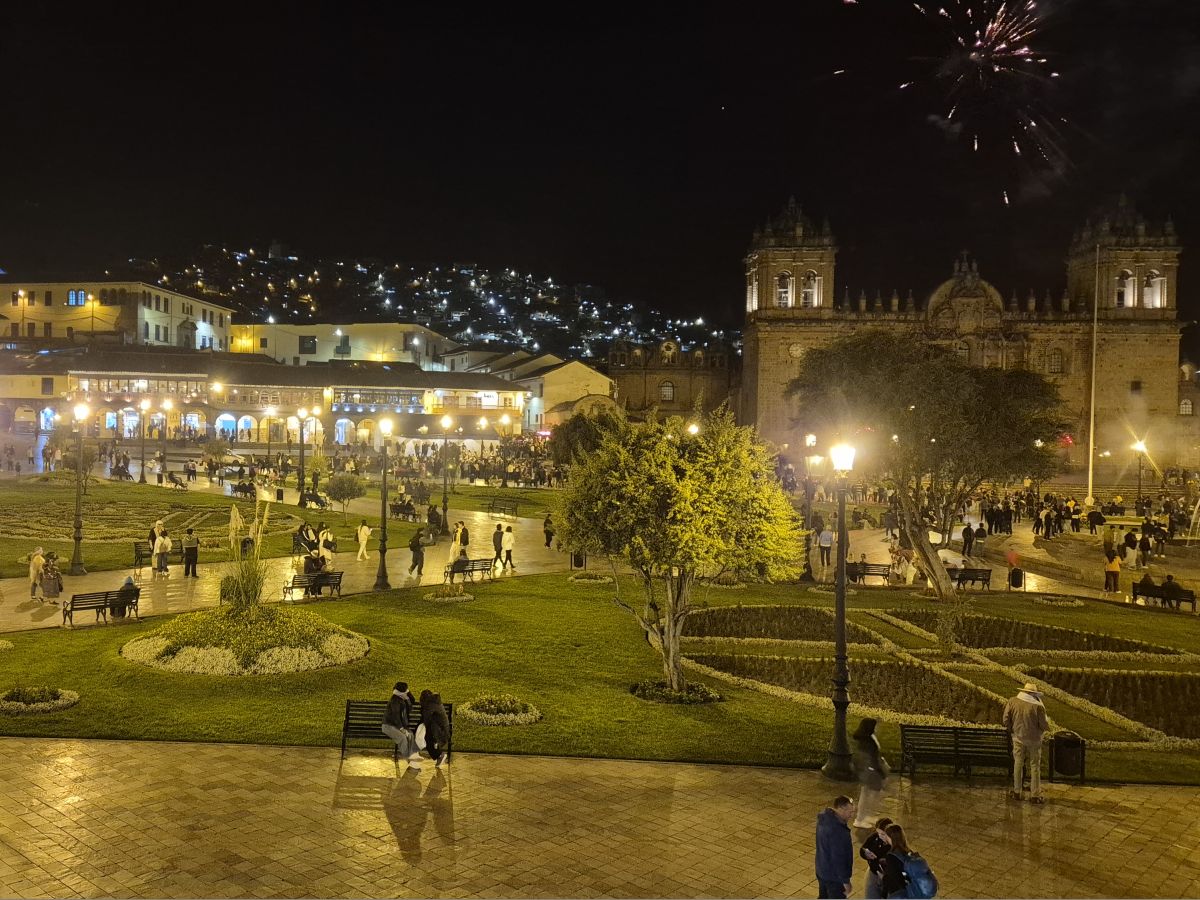
Cusco’s Plaza de Armas is a starting point for exploring the historic center.
Communities lived in the Cusco region long before it became the center of an empire. Earlier Andean societies shaped local farming, building and exchange; the Inca period built on a much older history.
Cusco grew into the political and ceremonial heart of the Inca Empire. Roads connected it to a vast territory, while carefully fitted stonework and sites such as Qorikancha expressed the city’s importance.
After the Spanish conquest in the 16th century, colonial churches and houses rose among and above Inca structures. At Qorikancha, the Santo Domingo complex shows the layers of the city’s history in one place.
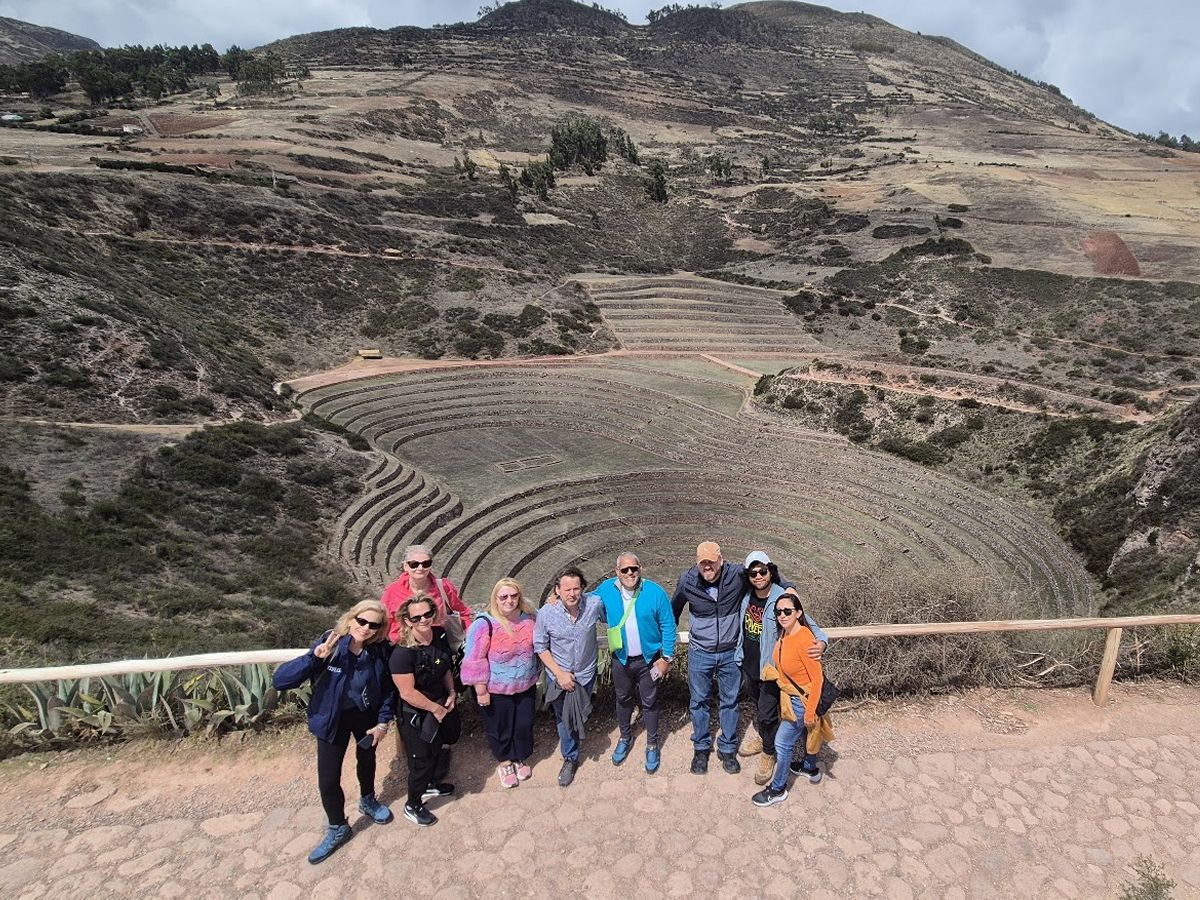
Luxury Spanish immersion in Cusco — our guests and instructors exploring the Inca terraces at Moray.
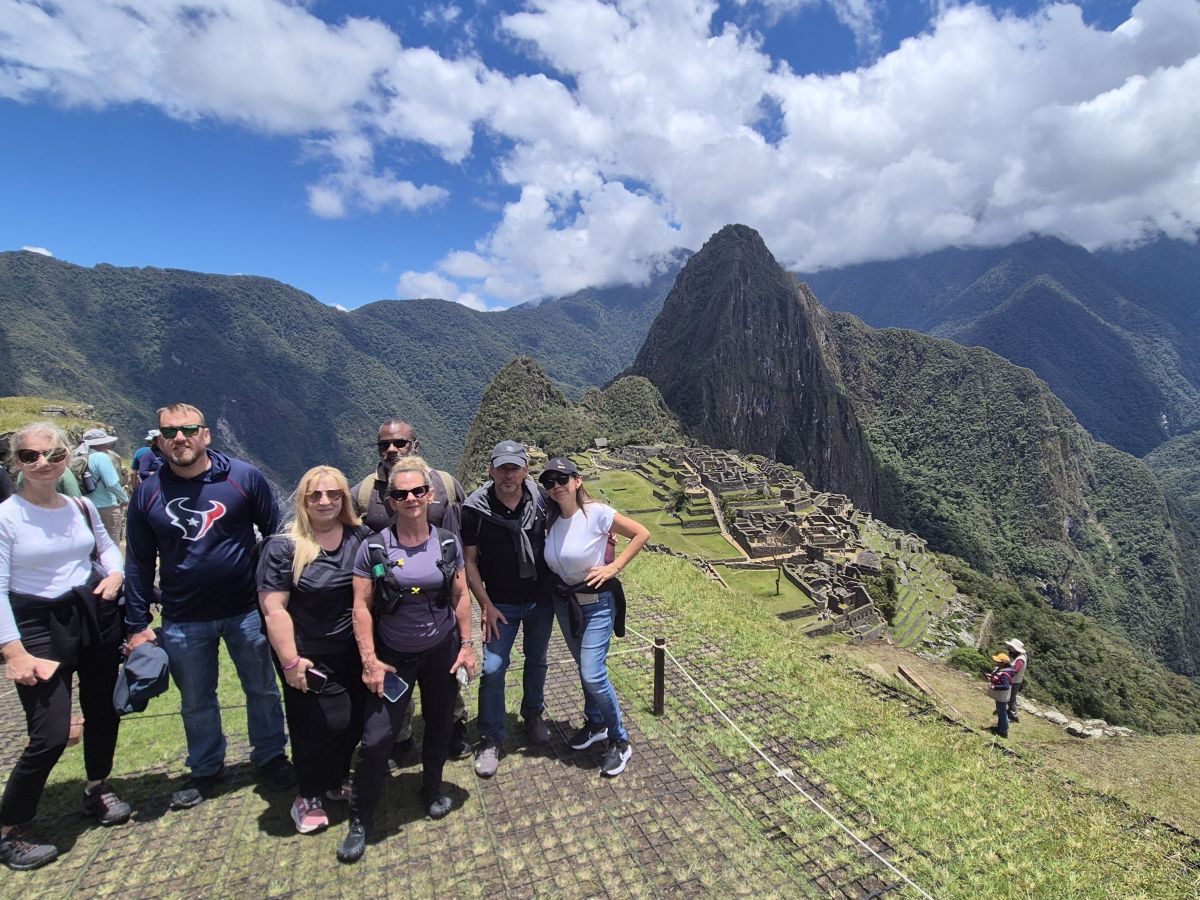
Luxury Spanish immersion in Cusco — our guests and instructors visiting Machu Picchu together.
Republican-era change, conservation and growing travel transformed Cusco without removing the earlier layers visible in its center. In 1983, UNESCO inscribed the City of Cuzco on the World Heritage List.
Cusco is also a modern regional city. Quechua remains an important living language alongside Spanish, and festivals, markets and craft traditions connect the city with surrounding Andean communities.
A guided walk can help you distinguish what belongs to each period and see how residents use these places today.
Begin in the main square, surrounded by historic buildings and busy pedestrian routes. Visit the cathedral if its opening hours fit your day, then take time to observe the life of the plaza.
At this former Inca ceremonial center, Inca masonry and the later Dominican complex stand side by side. A guide can make the history easier to follow.
Climb the narrow streets toward workshops, cafés and viewpoints. Go slowly: the gradient can feel different at Cusco’s altitude.
See a celebrated example of Inca stone fitting on Hatun Rumiyoq. It is part of a historic wall, so admire it without touching or blocking the lane.
Explore the large archaeological site above the city and its monumental stone walls. Allow time for both the site and the climb or transfer.
Browse produce and prepared food, hear everyday Spanish and ask vendors about ingredients. Choose a busy stall if you plan to eat there.
Look for museums that explain regional history, textiles or art, and ask about workshops where makers welcome visitors. Check current hours before setting out.
Pisac, Chinchero, Moray, Maras and Ollantaytambo each offer a different view of the valley’s landscape and heritage. Choose a manageable route rather than trying to see everything in one day.
Explore the Inca citadel at a comfortable pace, taking time to appreciate its terraces, stonework and mountain setting. Plan your train, entry time and return journey in advance so the day feels like an experience rather than a rush.
Dates and access arrangements can change. Confirm the current calendar before planning around an event.
Inti Raymi (June 24): A contemporary celebration of the Inca Festival of the Sun, staged at Qorikancha, the Plaza de Armas and Sacsayhuamán.
Corpus Christi: Religious processions bring communities and images of saints into the center. The date changes each year.
Semana Santa: Holy Week observances fill churches and public spaces. Expect altered opening hours and busy streets.
Community celebrations: Music, dance, food and local customs vary across Cusco and the Sacred Valley. Ask locally what is happening during your stay.
Heritage is part of daily life, not just a museum display. Ask permission before taking photographs of people and follow local guidance at community visits.
Practice Spanish in shops and cafés while recognizing that Quechua is also spoken in the region. Ask your instructor about words and place names you hear.
Andean potatoes, corn, beans and herbs appear in everyday cooking. Our Cusco food guide is a starting point for ordering and exploring.
Stay on marked paths at archaeological sites, follow instructions at places of worship and let residents pass along narrow streets.
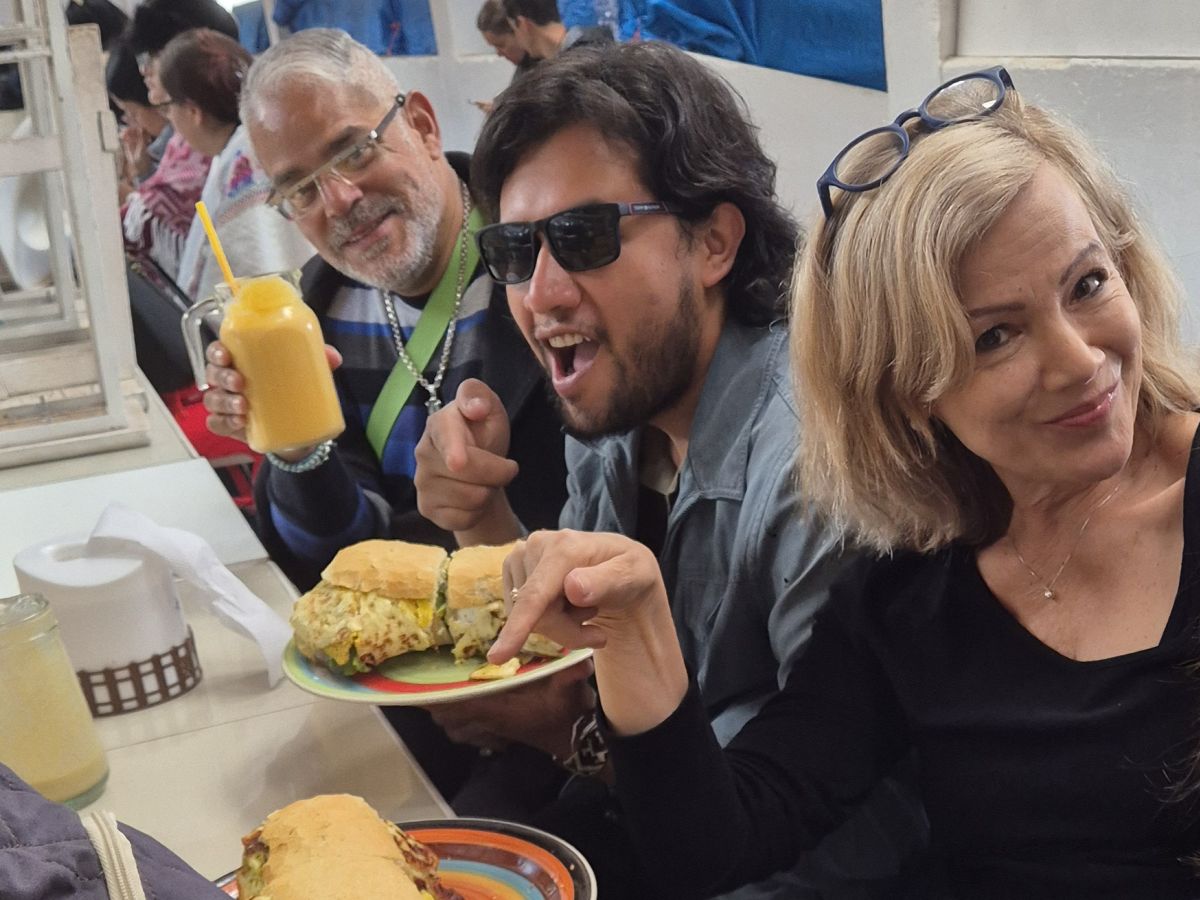
Luxury Spanish immersion in Cusco — our guests sharing a casual meal during their time in Peru.
Continue planning your Spanish immersion and discover more about Cusco and Peru.
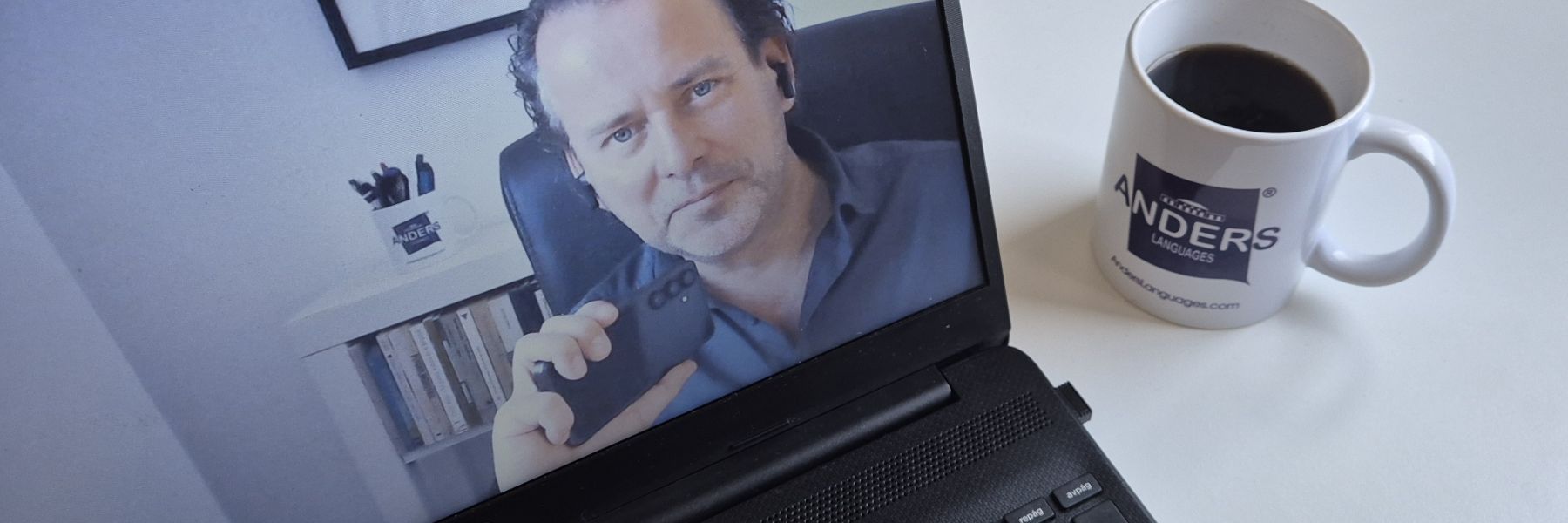
I’m Pedro, and I’ll personally take care of your inquiry.
No two learners are alike, so every Spanish immersion experience we create is designed specifically for you.
Complete the form, and I’ll get right to work. You can also reach me directly by email or WhatsApp.
Cusco was the capital of the Inca Empire. Its historic center retains Inca stonework alongside colonial buildings and was added to the UNESCO World Heritage List in 1983.
Explore the Plaza de Armas, Qorikancha, San Blas, Sacsayhuamán, markets and museums. The Sacred Valley also offers towns and archaeological sites for excursions.
The modern Inti Raymi celebration takes place on June 24, with events at Qorikancha, the Plaza de Armas and Sacsayhuamán. Confirm the current program and access arrangements before travel.
